In a world driven by instant gratification and flexible payment options, the choice between a traditional loan and a Buy Now, Pay Later (BNPL) scheme has never felt more relevant. Both products let you access purchases that might be out of reach. But the hidden costs often tell a much different story.
It’s also more urgent than ever to make smart decisions about borrowing money or delaying full payments. After all, as payment habits evolve, so do the options. The good thing is, you no longer need to rely solely on banks or credit cards to fund a purchase. From digital lending platforms like Maya Bank offering online loans to BNPL features embedded in your favorite shopping apps, the option to pay later is often just a click away. But what are you really signing up for, and how will it affect your budget down the line?
If you’ve ever hovered over the “Pay Later” button wondering if it’s smarter than applying for a loan, this article breaks down the practical differences, all so that you can choose the option that fits your financial goals.
The Basics of Loans and BNPL Plans
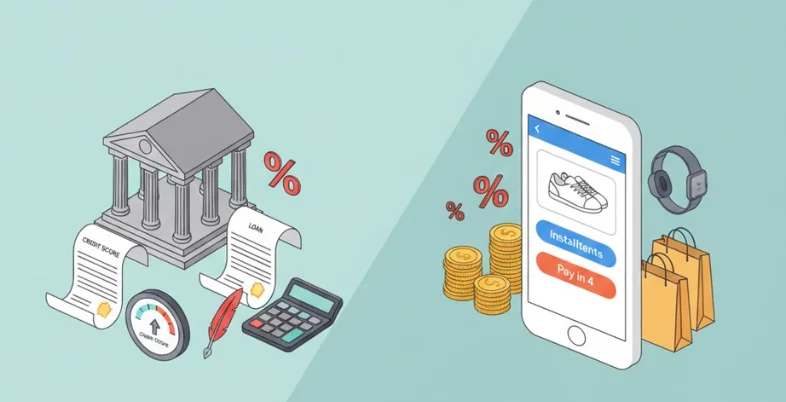
Not all borrowing is built the same, and the structure behind it can have a lasting impact. Understanding how loans and BNPL schemes work is the first step toward choosing the right one for your needs.
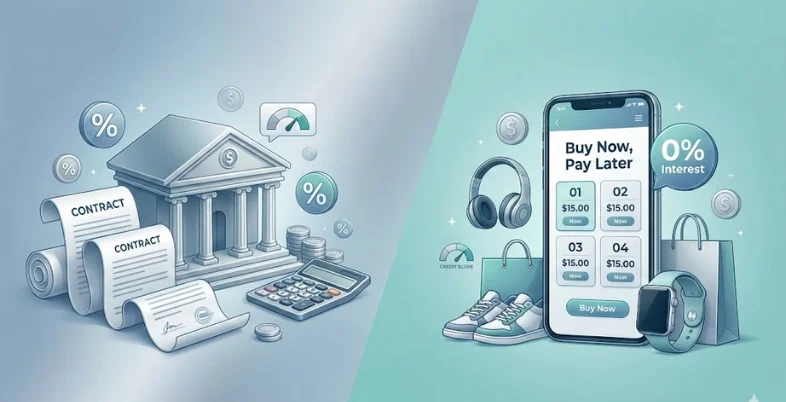
A loan, whether secured or unsecured, is a lump sum you borrow from a financial institution with the agreement to repay it over a set period, usually with interest. These days, it’s common to apply for an online loan, which offers the same structure but with quicker processing and the convenience of handling everything digitally. You might consider taking out a loan to fund a substantial purchase, such as a home renovation or a car purchase, or to consolidate existing debt.
Some lenders require collateral, especially for larger amounts, while others offer unsecured loans based on your creditworthiness. Terms may stretch from several months to a few years, and repayment typically occurs in monthly installments. Understanding the repayment process and the features offered by your lender, including robust loan servicing functionality, can help you manage your loan more efficiently and avoid missed payments.
BNPL, on the other hand, is a short-term installment option often integrated directly into the checkout process, especially for retail purchases. Instead of paying the full amount upfront, you split the cost into equal payments over a few weeks or months. For example, a PHP 40,000 smartphone might be paid off in four PHP 10,000 installments. Many BNPL providers promote zero interest if payments are made on time, though longer-term plans may include financing charges. Because it’s designed for speed and simplicity, BNPL usually involves minimal credit checking and little paperwork.
Learning the fundamentals is just the start; knowing how each option affects your finances beyond the initial purchase can help you borrow smarter.
Comparing Costs, Fees, and Repayment Terms
The cost of borrowing often reaches beyond the visible price tag. While both loans and BNPL options delay payment, the actual financial impact depends on several less obvious factors.
Take a loan for PHP 100,000 to cover a home renovation. You agree to repay it over 24 months at a fixed 10% interest rate. That means you’re looking at about PHP 4,600 per month, excluding any one-time processing fees. You gain predictability: the same amount every month, no surprises. This setup helps with long-term planning, especially if you have a steady income and want to pace your spending.
Now imagine purchasing a PHP 45,000 laptop using BNPL. You opt for a three-month, zero-interest plan and pay PHP 15,000 monthly. But if you miss just one deadline, you could face a PHP 1,500 penalty, and your remaining installments might accrue interest if rolled into an extended plan. Add two more BNPL purchases to the mix, like a phone and a gaming console, and it will become harder to track payments. Suddenly, a flexible option will feel more like a juggling act.
This growing complexity stems not only from the number of purchases but also from how repayment is structured. Unlike loans, which typically follow monthly cycles over longer terms, BNPL plans often require payments every two weeks across shorter timeframes. The shorter cadence may seem easier to manage until due dates stack up and your income schedule no longer aligns.
Before choosing a path, calculate the full repayment amount. Look beyond promotional terms and assess whether the structure supports your financial rhythm and not just your immediate needs.
Choosing the Right Option for Your Needs
The better choice between taking out a loan and doing a BNPL plan often depends less on the product itself and more on what you’re trying to achieve. Financial tools work best when they not only match the size of an expense but also its timing and purpose.
If you’re planning something substantial, like a home renovation costing PHP 200,000 or more, a loan may give you more control. It allows you to secure a larger amount upfront, repay it in manageable monthly installments, and possibly build your credit profile over time. Loans also tend to be more suitable when there’s a clear budget and a specific purpose in mind, such as consolidating debt or funding a major project.
BNPL works differently, especially when speed and simplicity are key. It’s designed for smaller, short-term purchases like a PHP 30,000 standing desk or new appliances. You get to take the item home immediately and spread out the payments without applying for traditional credit. For short-term flexibility, BNPL can be a useful alternative, provided you’re confident you can meet each due date.
Whether you’re leaning toward a loan or considering BNPL, the goal is the same: keeping your finances stable and predictable. Responsible use matters, no matter the tool. Review the full terms before you commit, and ask yourself whether the monthly payments will still be manageable if your income shifts. Avoid stacking too many obligations, and steer clear of using deferred payments for everyday spending. These small decisions compound and can safeguard your financial well-being in the long run.
Ultimately, there’s no one-size-fits-all answer because what works best depends on your goals and circumstances. Before committing to a loan or a BNPL plan, do your research and understand what you’re signing up for. Beyond convenience and speed, smart financial choices are rooted in long-term sustainability. Make each decision count, and let your payment habits reflect the financial future you want to build.