

Have you ever wondered where the money you pay for car insurance goes when you never get into a car accident? Or what is done with your health insurance payments when you are healthy? The money can make the difference as it goes away. In fact, it drives one of the most significant financial engines in the world.
The size of the insurance industry is enormous, too big to imagine. The following are some of the figures:
- At the global level, the insurance sector was estimated at approximately 8 trillion in 2024.
- In the US, property and casualty insurers (Including Auto and home insurers) generated an estimated $100 billion in 2024.
- Millions of policies are currently in force; hence, cash flows will continue.
However, the trick here is that insurance companies do not simply get rich by taking your money and hoping that you will not crash. They are elaborate economic giants that earn cash without the notice of the majority.
Draping the curtain aside, then, we will look directly at “How do Insurance Companies Make Money”. Let’s get started!
What do you Mean By “Insurance”

Insurance is, in its simplest form, a mere promise: You give me a small amount today so that you will not be required to give me a large amount tomorrow.
The ‘Risk Bucket’ Analogy
Suppose there were 100 families in a village. All families are aware that there is a low possibility that their house could be on fire. They do not go alone crying, but rather all contribute 100 dollars annually towards a common bucket. When one house catches fire, the village spends the money from the bucket to rebuild the house. The 99 families whose homes were not burned down did not receive their $100 back, but they got peace of mind. The insurance company just handles that bucket and retains some of the money as a fee for its work.
Why It Matters
Our economy would stand still without insurance. Banks would not lend to acquire houses since it would be risky. Individuals would not purchase new vehicles and open up businesses. Insurance is the security blanket that makes the world run.
Types of Insurance
- Life Insurance: A lump-sum payment made to your family upon your death.
- Health Insurance: It covers medical bills, physician visits, and surgeries.
- Property and Casualty (P&C): Property that you own (cars, homes, and boats) and Liability in the event that you cause injuries to someone.
- Tips: The opposite of life insurance. Now you give a lump sum, and they provide you with a monthly income for as long as you are alive.
Revenue Streams of Insurance Companies: A Quick Insight
| No. | Revenue Source | What It Is | How It Makes Money | Consumer Tip |
| 1 | Collecting Premiums | Regular payments made to keep a policy active | Insurers collect money upfront, often long before any claim is paid | Paying annually often gets you a discount |
| 2 | Underwriting Profit | Money left after claims and expenses | If premiums collected exceed claims + costs, the remainder is profit | Higher-risk customers pay higher premiums |
| 3 | Premium Float (Investments) | Money held before claims are paid | Float is invested in bonds, stocks, and real estate | Long-tail policies benefit insurers the most |
| 4 | Policy Fees & Charges | Administrative and service fees | Includes origination fees, installment fees, and load charges | Avoid installment fees by paying annually |
| 5 | Life Insurance (Mortality Credits) | Gains from policyholders who die earlier or outlive terms | Premiums are kept when term policies expire unused | Understand what happens to unused premiums |
| 6 | Claims Management | Verification and control of claims | Denying invalid or exaggerated claims protects profits | Always read policy exclusions carefully |
| 7 | Reinsurance | Insurance for insurance companies | Risk is shared, allowing more policies to be written safely | Keeps disaster insurance affordable |
| 8 | Annuity Spread | Difference between earned vs. paid interest | Insurers invest at higher rates than they pay customers | Safe, but insurer usually earns more |
| 9 | Health Cost Management | Negotiated medical pricing | Insurers pay hospitals less than retail rates | Stay in-network to save money |
| 10 | Premium Adjustments & Renewals | Price changes over time | Rates increase based on age, risk, inflation, and behavior | Shop around every 2 years |
How do Insurance Companies Make Money: 10 Effective Ways for 2026
1. Collecting Premiums
Every time you pay your insurance premium, you’re contributing to a much larger pool of money. Most people won’t file a claim in a given year, but everyone still pays in. That steady flow of cash is what keeps insurance companies running and profitable.
- How It Gathers Revenue: Insurance companies collect this revenue at the outset. For most people, particularly in health insurance, premiums are their primary source of income.
- Tip: If you pay annually, you are usually offered a discount because the insurer receives all the money and can invest it.
2. Premiums (The “Float”) To invest.
Insurance companies don’t let your money sit idle. Between the time they collect premiums and the time they pay claims, they invest that money. This waiting period—called the float—can last months or even years, giving insurers time to earn returns.
This is the money that the insurer keeps between payments and claims. The stack of this money is referred to as the float.
- How it generates revenue: They invest the float in bonds, stocks, and real estate. They retain the investment earnings even if they eventually pay off all premiums.
- Tip: Get long-tail coverage, such as liability insurance, as claims can take years to settle.
3. Underwriting Profit
If an insurance company collects more money than it pays out in claims and expenses, the leftover is profit. This happens when risks are priced correctly, and claims stay within expectations. It’s the simplest and “cleanest” way insurers make money.
The amount the firm is left with after paying claims and expenses.
- How It Gathers Revenue: In a case where a company has received $ 1 million and paid only $900,000 in claims and wages, the $100,000 difference is the underwriting profit. Insurance companies aim for a Combined Ratio below 100. The ratio is 95 per cent; that is to say, 5 cents out of 1 dollar they retain as profit.
- Tip: Insurers are careful. They will increase the price to cover their margins in case they believe you are a high risk, such as a bad driver or a smoker.
4. Policy Fees & Charges

Beyond premiums, insurers charge small fees for paperwork, monthly payments, policy changes, or cancellations. These fees may seem minor, but when multiplied across millions of customers, they add up to significant revenue.
It is an additional amount charged to your bill for administrative fees.
- How It Gathers Revenue: They impose origination fees to open a policy, service fee paying monthly rather than annually, and load charges on life insurance. These charges include pure profit, paperwork, and staff expenses.
- Tip: Look at your bill. Instalment fees are often avoided by paying in instalments or in a lump sum.
5. Efficient Claims Management (Denial of Unnecessary Claims)
Insurance companies carefully review every claim before paying it. They investigate accidents, verify medical bills, and check policy terms. While valid claims are paid, fraudulent or excluded claims are denied to protect profits.
It is the rigid procedure of determining the validity of a claim.
- How It Gathers Revenue: When making payments to claimants, insurers lose money. They impose strict regulations to ensure they pay what is legally required. Claims adjusters investigate accidents. Any false claims or those that are not in the small print are rejected so that the bottom line of the insurer is not affected.
- Tip: You should always read the part of your policy that is the Exclusions. That is the list of the reasons why the insurer will not pay you.
6. Life Insurance (Mortality Credits)

It is the cash that is remaining upon the deaths of individuals who die earlier than anticipated in annuities, or lives that live longer than anticipated in life insurance.
- How It Generates Revenue: When you purchase a 20-year term life insurance policy and, at the end of 20 years, you are still alive and insured, the insurer retains all the premiums you paid.
- Tips: When you purchase a lifetime income plan and die early, the remaining funds in your account are returned to the insurer to ensure the older ones.
7. Reinsurance
Insurance Protection for insurance companies.
- How It Gathers Revenue: In the event of an insurer that has become over-exposed to risk, it transfers the excess risk to a larger reinsurance company. The reinsurer shares part of the premiums and comes to an agreement to cover part of the claims, allowing the primary insurer to write more policies without bankruptcy in the event of a disaster strike.
- Tip: Reinsurance assists in maintaining price stability for you. In its absence, the insurance against hurricanes would be unaffordable.
8. Annuity Profits (The Spread)
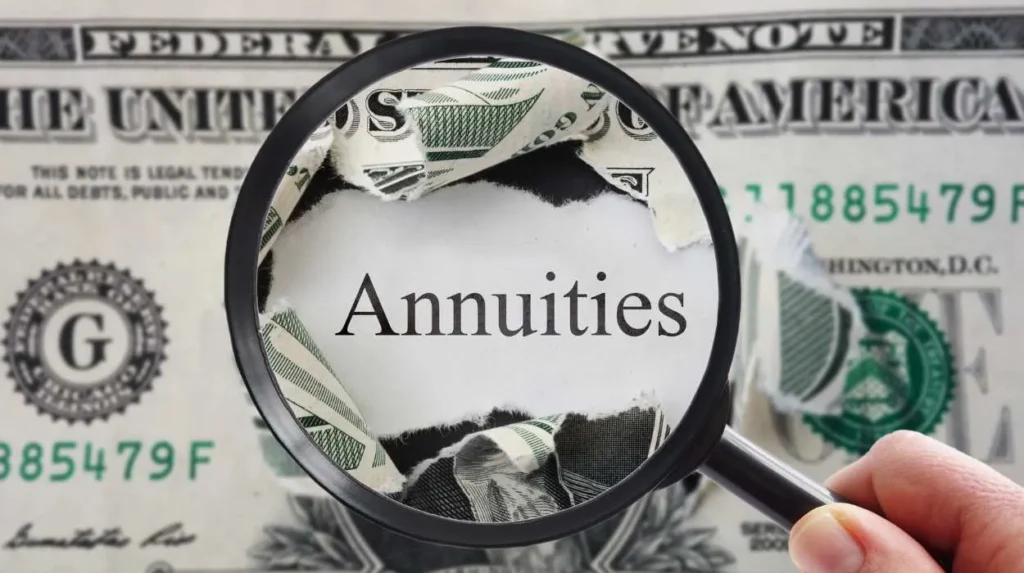
The difference between what the insurer obtains and what they pay you is what it is.
- How It Gathers Revenue: When you purchase a fixed annuity, the insurer may promise you a 4 per cent interest rate, but invests your funds to make 6 per cent. Their profit is the difference of 2% of it.
- Tip: It is a safe investment, but the insurance company can nearly always earn more than you do on your money in an annuity.
9. Management of Cost in Health Insurance.
Negotiating reduced prices from doctors and hospitals.
- How It Gathers Revenue: Health insurers leverage their bargaining power. They say to a hospital, I want our members to be patients, discount me 50 per cent on MRIs. They pay the hospital the discounted price.
- Tip: It is important to remain In-Network. The network displays the doctors who accepted the selling price.
10. Premium Adjustments & Renewals

The adjustment of prices in response to new information.
- The way it brings in revenues: When you are caught speeding, your car insurance premium increases. When you reach 50 years of age, your term life insurance becomes expensive. The insurers continue to adjust their rates in order to remain profitable. They have another tool, which is price optimisation, to estimate to what point they can increase your price before you get irritated and start switching businesses.
- Tip: Shop around every 2 years. Loyalty is usually translated to price creep, which is an increase in your rate gradually without your realisation.
Average Profit Margins
Insurance companies could make 50 per cent profit on each dollar, but the truth is in the kind of insurance.
| Insurance Type | Business Model Comparison | Typical Profit Behavior |
| Health Insurance | Grocery Store (High volume, low margin) | Profits depend on scale and cost control |
| Property & Casualty (Auto/Home) | Casino (Risk-based) | Very profitable in good years, risky in bad years |
| Life Insurance | Bank (Investment-focused) | Long-term, steady profits from investments |
| Insurance Brokerage | Sales Agent Model | High-margin, low-risk since no claims are paid |
Major Moral of the Story: Health insurance is a volume game (similar to the grocery store). Property insurance is a game of risk (a casino). Life insurance is an investment game (similar to the bank).
Popular Legends of Insurance Profits
It is highly critical of insurance companies, and a significant part of this criticism stems from a lack of understanding.
Myth No. 1: They are not ready to accept every one of our claims to earn money.
- Reality: If they rejected valid claims, they would be sued and lose their licenses. They refute invalid claims only. Nevertheless, they are certainly cheap and will lead to a one-sided interpretation of the rules.
Myth No. 2: When I do not utilise it, I would have wasted my money.
- Reality: You purchased risk transfer. You won the bet, right, but your house did not burn down. Your bankruptcy was covered by the fees you paid.
Myth No.3: They store all the money in the vault.
- Reality: States have strict laws on the amount of cash they must hold in reserve to meet claims. They cannot cash in everything.
Conclusion
Insurance companies are not charitable organisations; they are businesses that aim to make a profit. Understanding how insurance companies make money explains why they focus on being mathematically precise, strict with regulations, and astute investors. They earn profit by charging premiums initially, investing the funds (the float), and managing claims.
Knowing this allows you to be a more informed consumer. It reminds you that insurance is a contract of friendship, not the friendship itself. Review your policy, understand the exclusions, and shop around to ensure you are not financing their profits with your hard-earned money.
Also Read:
FAQs
Would insurance companies become profitable when they settle claims?
Yes. Even when they pay out what they took in as premiums, they still earn a profit by investing the money (the float) while they have it.
Why was my premium increased when I had made no claim?
Probably due to an increase in risk in your locality (e.g., more storms, more crime) or because of inflation, which has made the cost of repair more costly. You belong to a pool; therefore, you share the group’s expenses.
What kind of insurance is the most profitable?
Usually, Property and Casualty (Auto/Home) may be most profitable during good years; however, it is also the more perilous. The easiest money to make is brokerage (selling insurance without assuming the risk).
What is the “Combined Ratio”?
It is an indicator of profitability. A ratio of 95 implies that the company incurred 95 cents in claims/expenses for every 1.00 collected, of which it retained a profit of 5 cents.