
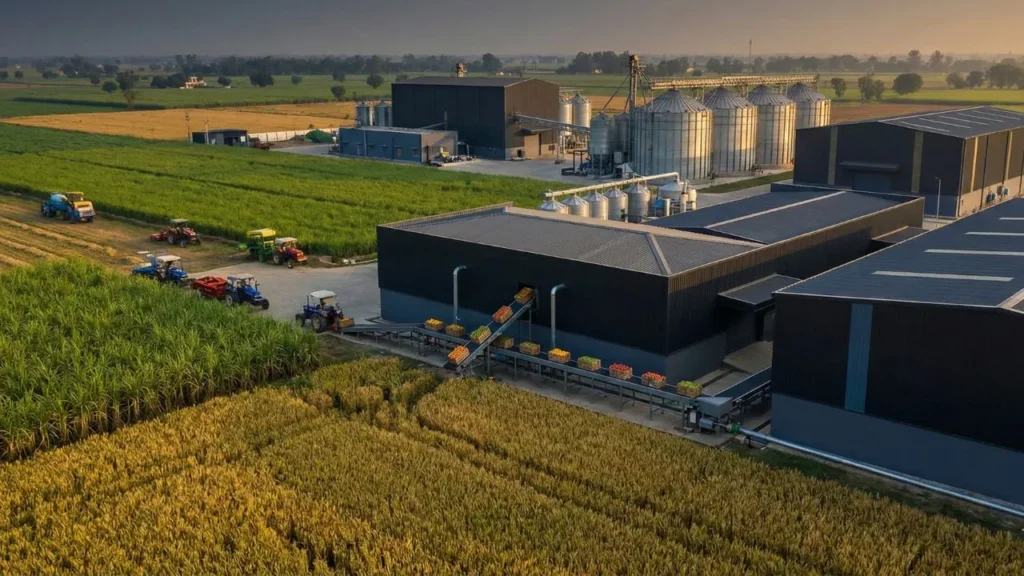
India is known to have extensive green lands and hard-working farmers. The country is agrarian-based, and the agro-industries that connect the farms and the houses are agro-based industries. These sectors convert raw materials in the fields into precious products.
As of 2026, the role of Agro-Based Industries in India has increased, as they are among the job providers offering jobs to millions of people, both in rural and urban regions. Everything has its roots in the clothes we wear, the food we eat, etc. They are critical in the establishment of India as a world leader in production.
This paper describes the functionality of these industries using simple language. We are going to discuss their types, advantages, and current problems. You are in the right place if you are interested in knowing the economic background of India. We shall examine the world of agro-processing and how it has influenced our lives.
What are Agro-Based Industries?
The agro-based industries are the type of business that acquires plant and animal products as raw materials. They manufacture crops, fruits, vegetables, and milk into complete products. To take the example of a cotton mill, raw cotton, which is produced by a farmer, is transformed into cloth. Similarly, a sugar factory is a plant that converts sugarcane into the sugar we use to sweeten our tea.
Farmers grow what is added value is in these industries. A factory may process raw wheat into flour or a biscuit instead of having farmers sell it, thus allowing farmers to earn more, and making food last longer and easier to transport.
Benefits & Importance of Agro-Based Industries
Agricultural industries have numerous benefits for India. Key benefits include:
1. Creation of employment opportunities in the rural regions:
The majority of these industries are placed close to farms, thus giving people jobs in the villages and in the small towns. They do not have to leave their home slowly and relocate to large cities to get employment.
2. Increasing the income of farmers:
With a factory closed, farmers have the opportunity to sell directly to them instead of going through the middlemen who make huge profits. The farmers are given higher prices and a stable market for their produce.
3. Eliminating food wastage:
India is a country that goes to waste with lots of fruits and vegetables. They are processed by agro industries into juices, jams or frozen products, whereby their shelf life is increased drastically.
4. Getting foreign exchange:
India is a major exporter of processed products like tea, spices and textiles. It is these exports that introduce foreign exchange into the economy annually.
5. Increasing other industries:
Other industries require machinery, packing, and transportation that drive the manufacturing and logistical industries.
Major Types of Agro-Based Industries : 2026 Insights
Indian agro-based industries can be classified into four broad categories, which perform varied functions in the supply chain.
Agro-Produce Processing Units:
These are units which do not produce new products; they just extract the raw crops and then convert them into useful products like rice mills and pulse mills, which clean and husk the grains.
Agro -Produce Manufacturing Units:
These are industries that process raw materials into new products, e.g. a sugar mill that makes sugar crystals out of sugarcane, or a textile mill that makes high-quality cloth out of cotton.
Agro-Input Manufacturing Units:
These units manufacture the tools and materials that aid the farming sector, thus yielding fertilisers, pesticides, and seeds that are used to produce more crops. This industry is important in enhancing crop production.
Agro-Service Centers
Farm service centres assist in the maintenance of machinery. They repair tractors, pumps, and other equipment used by farmers. Their operation makes the farm activities do not cease as a result of broken machinery.
List of Agro-Based Industries in India for 2026
The following is a spreadsheet of the best industries in the Indian economy.
1. Textile Mills (Cotton & Jute)
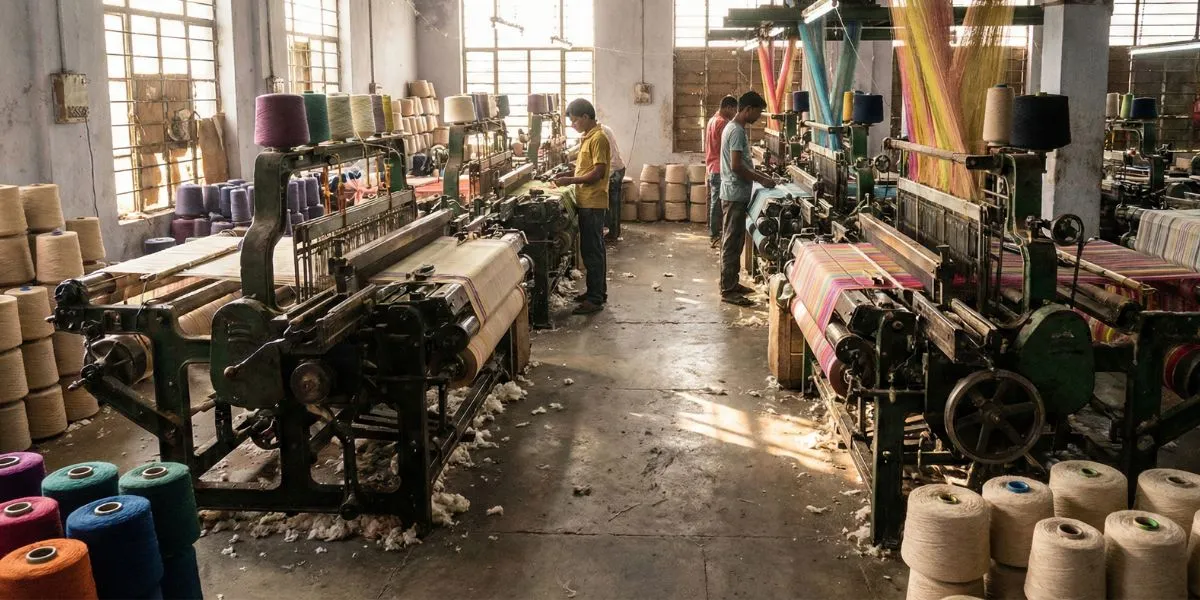
The Indian textile industry is among the oldest and biggest. It transforms natural materials, for example, cotton and jute, into cloth and bags. India is a leader in high-quality cotton textiles in the world. These mills are generating employment for millions of people, particularly women, in the rural areas. The new modern machines conserve water and energy. Indian textiles and apparel are projected to grow at a 10% CAGR by 2030.
The industry has nearly 4 per cent of the overall GDP of India. Gujarat and Maharashtra rank highest in cotton textile production, and West Bengal is the known jute packaging state. The sector is self-reliant, starting with fibre all the way to complete garments. The country makes billions of dollars when it exports to the West.
Raw Materials Used:
The raw cotton fibres and the raw jute stalks.
Manufacturing/ Processing Process:
Ginning, spinning, weaving, dyeing and stitching.
Major Products:
Cotton shirts, sarees, jute bags, ropes, carpets.
Importance & Role in India:
It is the second-largest Indian employer, preceded by agriculture.
2. Dairy Cooperatives & Brands
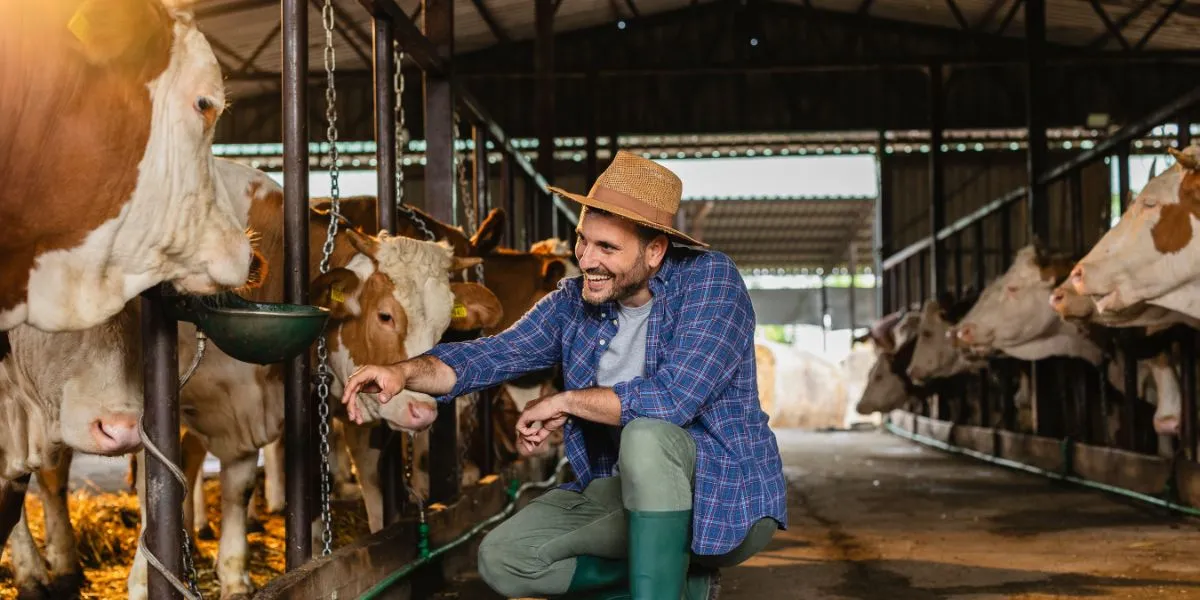
The largest milk producer in the world is India. The lives of millions of small farmers have been changed through cooperatives like Amul, making dairy one of the most important segments of Agro-Based Industries in India. They gather milk in villages and process it in large and modern plants. Cold-chain technology stores milk in a fresh condition over long distances. Those families that own at least one cow have a stable income in the industry.
The dairy and Animal Husbandry sector contributes nearly 4.2% in the Indian GDP. New technology monitors the well-being of all animals. The government favours additional mini dairy plants. The industry ensures that healthy milk is made available even in the isolated regions, making India a huge milk producer.
Raw Materials Used:
Fresh milk of cows and buffaloes.
Manufacturing/ Processing Process:
Pasteurisation, homogenization and cream separation.
Major Products:
Milk, butter, cheese, ghee and curd.
Importance & Role in India:
The significance of it is that it offers food security and predictable earnings to rural families.
3. Sugar Mills & Ethanol Units
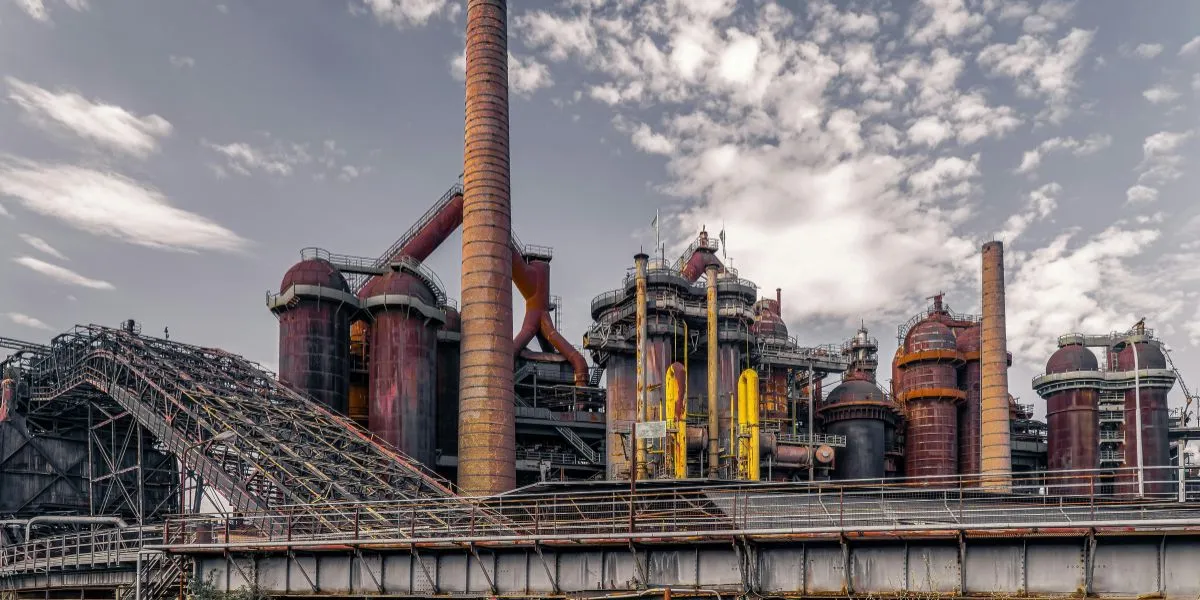
The sugar business is the second leading agro-based business in India. It employs sugar cane cultivated in Uttar Pradesh and Maharashtra. The mills squash the cane, extract the juice and boil the juice. In 2026, they will generate green fuel and sugar. All this is done by mixing ethanol with petrol to reduce air pollution and provide factories with an additional source of income.
The Indian sugar industry is expected to see a revenue growth of 5-8% in FY2026. The waste product, bagasse, provides electricity to the plant. The mills of today are efficient and consume little cane. The industry empowers over 50 and 50 million farmers and families and contributes to the energy-autonomous objective of India.
Raw Materials Used:
Fresh sugarcane stalks.
Manufacturing/ Processing Process:
Crushing, clarification, evaporation and crystallisation.
Major Products:
White sugar, jaggery (gur), ethanol and molasses are the major products.
Importance & Role in India:
It is beneficial to the environment as it offers a renewable biofuel (ethanol).
4. Oil refinery facilities
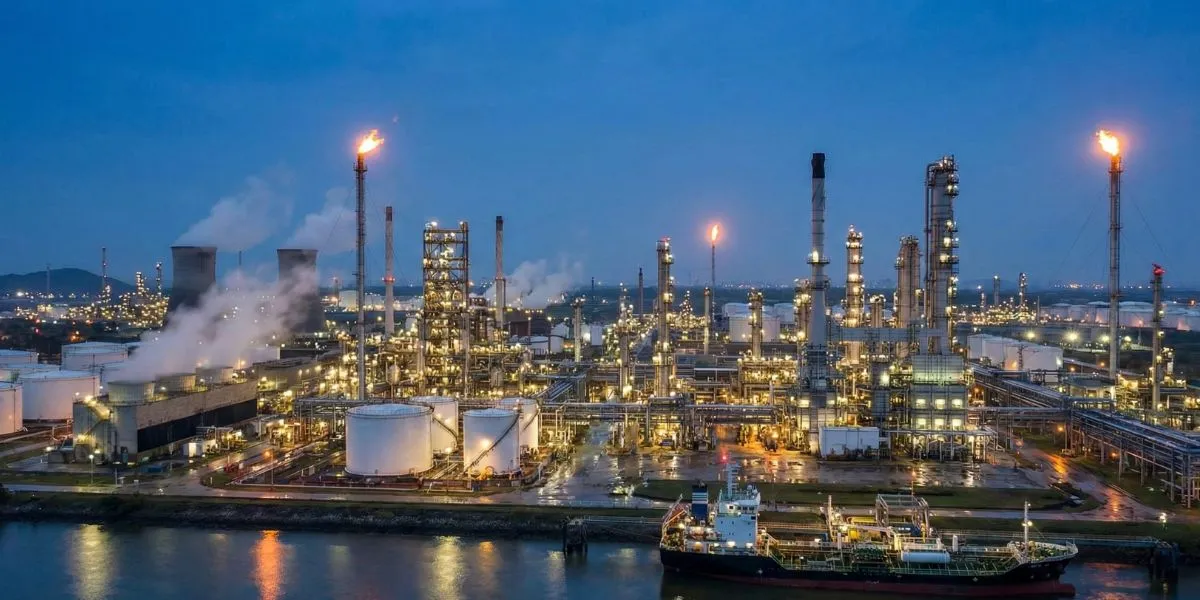
Every Indian kitchen cannot do without cooking oil, and thus, this industry is very stable. Oil is extracted by plants using mustard, soybean and the groundnut seeds. India aims to increase the production of oilseeds and use fewer imports. Big units employ a sophisticated solvent extraction in order to obtain the maximum yield. India aims to boost its refining capacity to 450 MMTPA by 2047. Animal feed made of the residue seed cake is high-protein. Malnutrition has been addressed by the production of fortified oils with vitamins A and D in various plants. Online applications are used to forecast market prices. Food security depends on the industry.
Raw Materials Used:
Mustard seeds, sunflower seeds, soybean and groundnuts.
Manufacturing/ Processing Process:
Cleaning, Solvent extraction, and refining.
Major Products:
Oil of refinery, mustard oil and cattle feed cake.
Importance & Role in India:
It serves a cooking purpose to more than 1.4 billion citizens every day.
5. Tea Coffee Processing Estates.

India is internationally known for its aromatic tea and rich coffee beans, making this segment an important part of Agro-Based Industries in India. The majority of the estates are in the hills of Assam and Karnataka. The demand for organic and herbal blends has gone high. The processing begins in the estates where the leaves are picked manually. The contemporary machines dry, roll, and shrivel leaves to produce various teas. The coffee exports hit more than $1.81 billion in FY25. India is one of the leading exporters of tea to other countries such as Russia and Iran. There is a growth in the coffee industry, and speciality coffee is gaining popularity. These estates hire numerous local and tribal workers and increase tourism by providing tea-estate stays, which creates an income for the local economy.
Raw Materials Used:
Fresh leaves of green tea and coffee cherries.
Manufacturing/ Processing Process:
Withering, oxidation (tea), roasting, and grinding (coffee).
Major Products:
Black tea, green tea and roasted coffee powder.
Importance & Role in India:
It receives much foreign exchange and helps in developing the hill areas.
6. Leather Tanneries and Goods Manufacturing

The leather business has a strong relationship with the dairy and meat business. It transforms animal skin into high-quality, wearable products. The available raw materials are provided by the large population of cattle in India. Tanning salons work with new green chemicals in order to reduce water contamination. The industry offers employment opportunities to qualified artisans and architects. Other cities like Kanpur and Chennai have been global centres in the production of leather. Millions of shoes and bags are exported by us annually. Small-scale employees also bloom and flourish. Indian leather products are associated with good quality and low prices.
Raw Materials Used:
Cattle, goat, and sheep hides and skins.
Manufacturing/ Processing Process:
Sun tanning, crusting, colouring, and polishing.
Major Products:
Footwear, jackets, belts, upscale handbags.
Importance & Role in India:
Labour-intensive industry that drives huge exports.
7. Agri-Input Production (Fertiliser, pesticides)
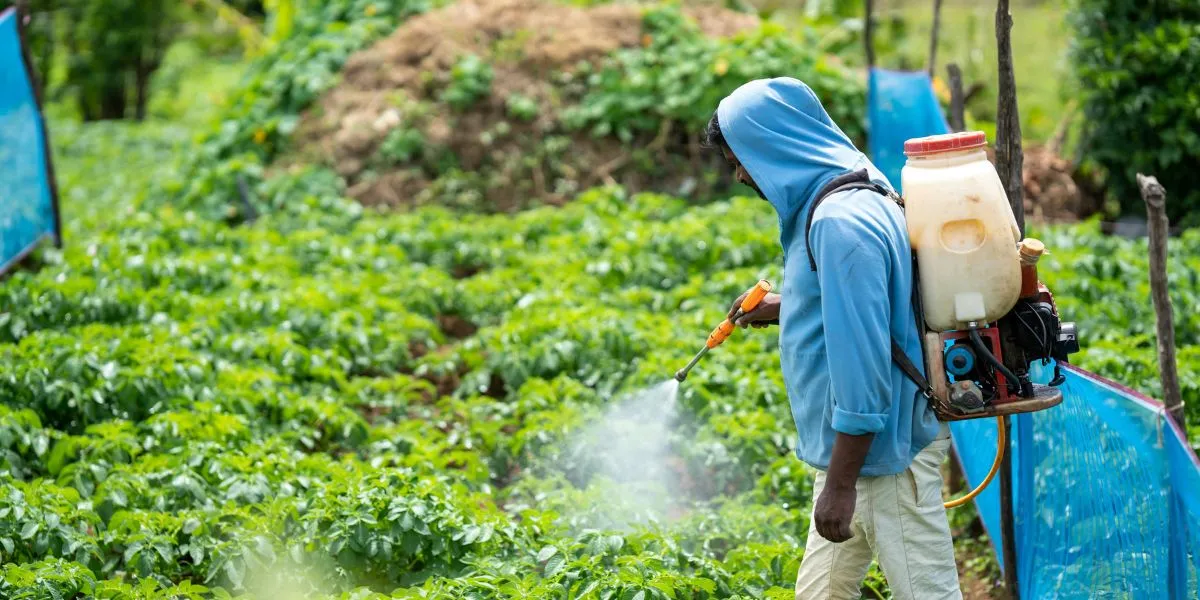
This industry never produces any crop; rather, it provides the food plants with what to feed on. It manufactures chemical fertilisers. Attention was paid to more efficient nano-fertilisers. Complex chemistry is employed in large factories to produce nutrients and pesticide crops. India’s Agri-Input sector (fertilisers, pesticides) is projected to hit $16.58 billion by 2032. India would not be able to feed its population without this industry. Most of the companies are producing bio-pesticides, which are more environmentally friendly. The products are distributed to villages via a large network of dealers. The industry collaborates with scientists to come up with heat-tolerant seeds and long-term fertility of soils.
Raw Materials Used:
Natural gas, rock phosphate, and sulphur.
Manufacturing/ Processing Process:
Chemical synthesis, coating, and granulation.
Major products:
Urea, DAP, liquid fertilizer and insecticides.
Importance & Role in India:
Driving force of the Green Revolution and food security.
8. Agriculture-Equipment Services Centres.
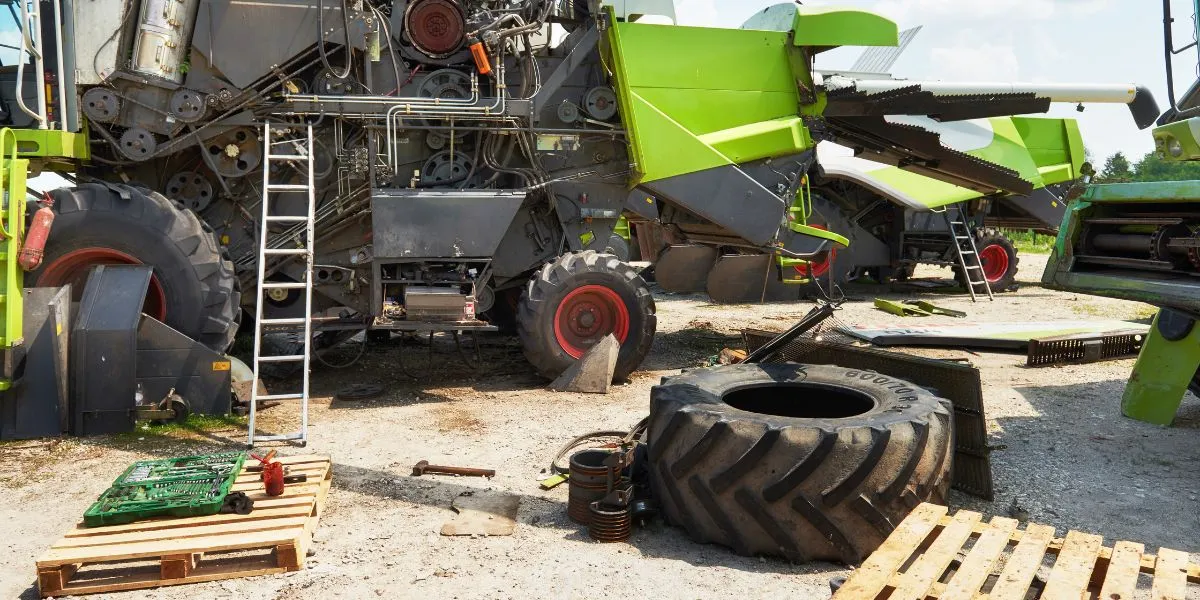
Farming is based on the use of tractors, drones and others. These tools are served at service centres (like hospitals) based in rural centres to provide speedy service. India agricultural machinery market size is expected to increase at a CAGR of 8.4% between 2024 and 2029. The employees are trained to repair sophisticated engine issues and to sell the spare parts, tyres, blades, and engine oil. In certain centres, renting of high-cost machines such as harvesters is provided, where the small farmers get a chance to utilise the advanced technology at a cost. They promote the mechanisation of the agricultural business in India, so that there is no idle time during the productive harvest period.
Raw Materials Used:
Raw materials are spare parts, lubricants, and electronic parts.
Manufacturing/ Processing Process:
Repairing, maintenance, and technical testing.
Major products:
Serviced tractor, service and repair pumps, and rental equipment.
Importance & Role in India:
Minimises the downtime of machines, which enhances the efficiency of farming.
9. Bamboo and Jute Crafts Units
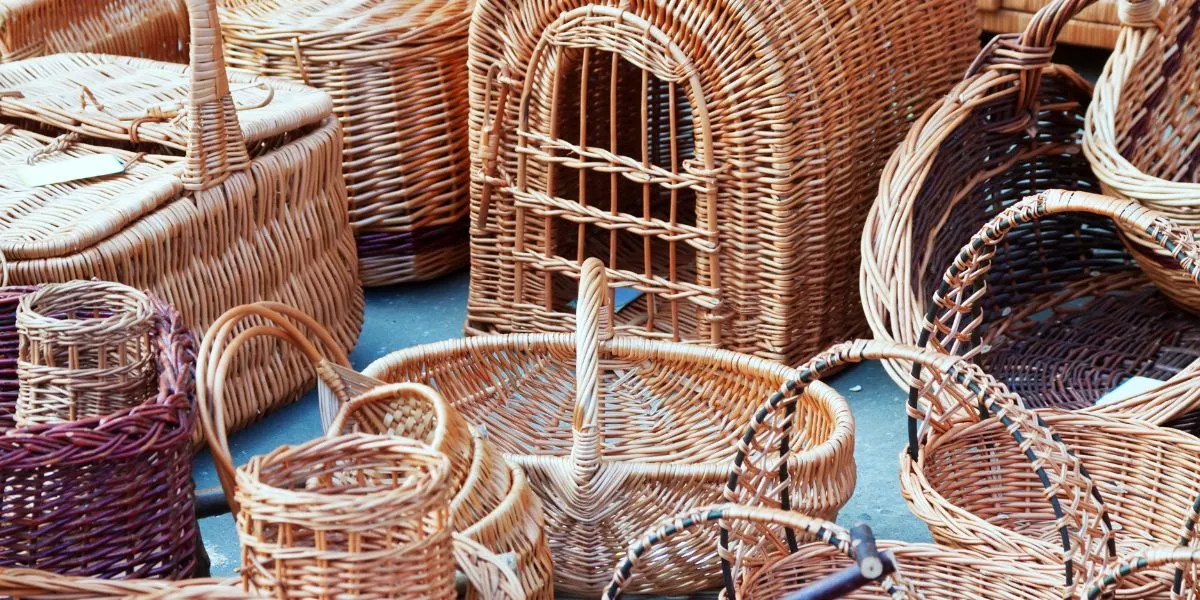
Such small-scale industries produce beautiful and useful handmade products. The main sources include bamboo, which is a fast-growing green gold, and jute, which is a material utilised to make environmentally friendly bags. The government promotes contemporary designs and the internet market. The global jute bag market is expected to reach approx ₹34,325 crore by 2028. Urban centres are the market leaders of products and exports to Europe. The industry minimises plastic waste, conserves the environment, and provides respectable livelihoods to thousands of tribal and rural families.
Raw Materials Used:
Bamboo poles, raw jute fibres.
Manufacturing/ Processing Process:
Treatment, weaving, and polishing.
Major products:
Furniture, baskets, environmentally friendly mats, and wall hangings.
Importance & Role in India:
enhances the art, culture, and environmental conservation.
What are the Largest Agro based industries in India?
Though there are numerous industries, there are some that are predominant in the Indian scenario.
Textile Industry
The unmatched leader, with more than 45 million employees in the country. It adds approximately 2 per cent to Indian GDP and includes handlooms to large mills.
Food Processing Industry
The fastest-growing industry, which encompasses dairy, fruit processing and grain milling. It contributes 20 per cent. of agricultural produce by 2026, and is essential to making India the Food Factory of the World.
Sugar Industry
India leads in sugar and jaggery production in the world. The business favours millions of farmers in North and South India and has become stronger with a shift to ethanol production.
Challenges Faced by Agro-Based Industries
Agro-Based Industries in India have various daunting challenges in spite of their success.
- Climate Change: Rains and heat waves lower the crop yield and the supply of raw materials, thus, becomes very volatile.
- Fragmented Land: The Indian farmers have very small plots, and this prevents industries from accumulating large volumes of crops with ease.
- Poor storage: Approximately 25 per cent of the produce is wasted due to inadequate cold-storage facilities, which leads to great losses to both the farmer and industries.
- High Cost of inputs: Increased price of the fertilisers, fuel and electricity makes it difficult to keep small industries profitable.
- Unavailability of Easy Credit: Bank loans are not readily available to a number of entrepreneurs in rural areas. They will not be able to buy modern machinery and grow without finance.
Conclusion
Agro-based industries form the backbone of the rural Indian economy, and the long-term growth of Agro-Based Industries in India turns the sweat of farmers into those products that are used globally. As these industries are getting smarter, greener, and more efficient, they will address the issues of unemployment and food waste at the same time.
Continuing to support these industries implies that we will be supporting our farmers and our future. They can even further develop with the assistance of governments and improved technology. They are not businesses; they are a road to making India a prosperous country.
FAQs
What is the overall objective of agro-based industries?
Their primary objective is to transform raw materials in agriculture into finished products and add value to crops, causing job creation for the rural population.
Is the textile industry an agro-based industry?
Yes, it is the largest. It utilises both plant and animal-based fabrics like cotton, jute, silks, and wool.
What do these industries do to assist farmers?
They assure a stable market for farm produce where farmers are able to sell directly to the factories and get a better price.
What is the leader in terms of sugar production in 2026?
Uttar Pradesh and Maharashtra continue to be the leaders in sugar and ethanol production in India.