

The textile industry is among the oldest and most vibrant industries worldwide, and its potential is enormous. Given the ever-growing demand for unique, eco-friendly, high-quality products, the Textile Business is ideal for new and existing entities. This industry produces fabrics, including performance and other sustainable fabrics. India is a major player in the textile sector and is famous for its traditional fabrics and handmade work.
Nowadays, people pay close attention to eco-friendly clothing, and the demand for various types of textile materials appears to be increasing. This is because no matter which type of Textile Business you have, like organic fabrics, classic fabrics, or any advanced performance fabrics you are interested in, the business is replete with lucrative business opportunities.
This article will help you provide an insight into the 20 most profitable Textile Business Ideas, the advantages, and the things that you would need to make it in this very competitive market.
Overview of the Textile Industry in India
The textile sector is an economic boost to India, providing employment to millions and generating exports. The Indian textile industry has six major facts:
- Megabig Size – the market is greater than more than 175 billion dollars (2024-25).
- Jobs – over 45 million people are directly employed.
- GDP Contribution– approximately 2 per cent of the Indian GDP.
- Global Ranking: India is the world’s 2nd-largest cotton producer.
- Export Rank: ranks 6th in textile and apparel exports.
- Future Growth– It is expected to grow to a level of 350 billion by the year 2030.
These characters have a lot of money and possibilities. Regardless of your small or large budget, there is a position that you can hold.
India has a long history in the textile industry, which is now experiencing a revival amid rising globalisation. The history of India’s textile sector is rich, and today it combines modern equipment with ancient customs. Let us look at the reasons why this industry is important.
Also Read: Clothing Franchise in India
Key Drivers of Growth
The industry is growing at a very fast rate because of:
More disposable income will enable individuals to spend on style and house decoration.
- The young population is keen on new trends.
- Indian cotton and silk are valued in international markets, especially the USA and UK.
- Online platforms enable businesses to reach international clients through Instagram or Amazon.
Suitable For
Who would be the right person to start a business in textiles?
- Arts and crafts persons who would like to design clothes or patterns.
- Investors in need of a stable, long-term investment.
- Cotton or jute farmers can establish processing units.
- Shopkeepers who know how to sell and relate to the customers.
Housewives or students who are able to carry out small embroidery or work in boutique shops at home.
Types of Textile Business Models
Choosing a business model means determining how you will make money.
1. Manufacturing (Making)
You buy raw materials like cotton, go to a factory, and use machines to produce your products, e.g., T-shirts.
Scenario: a denim-processing plant, which produces jeans.
2. Wholesaling (Selling in Bulk)
You purchase goods in bulk from manufacturers and sell them to retailers, not to final consumers.
Example: a warehouse that supplies sarees to the local shops.
3. Selling to Customers(Retailing)
You create a retail outlet or online shop to sell directly to individuals who wear the clothes.
Example: a small online clothing store or a boutique with designer T -shirts.
4. Printing and Value Addition
You print, embroider, or dye plain textile to create a nice product.
Example: a small startup that embroidered personally made designs on T-shirts.
Why Start a Business in the Textile Industry?
- Diverse Opportunities: The industry offers a broad range of niches, from traditional textiles to sustainability and ecological fabrics.
- High Demand: Textiles are used in clothing, home textiles, and technical textiles, including applications in the automotive, aerospace, and construction industries.
- Export Potential: India, being a textile hub, has always had the potential to dominate international markets.
- Sustainability Focus: As demand for sustainable products grows, companies specialising in environmentally friendly fabrics are emerging.
- Government Support: Various policies, such as “Make in India,” along with numerous subsidies, encourage investors to focus on this sector.
Top 10 Textile Business Ideas in India: 2026 Rankings
| Business Idea | Investment Range (₹) | Profit Margin | Skill Level | Best For |
|---|---|---|---|---|
| Boutique (Women’s Wear) | 50,000 – 3,00,000 | 30% – 50% | Medium | Designers, housewives |
| T-Shirt Printing | 1,00,000 – 5,00,000 | 25% – 40% | Easy | Students, youth |
| Saree Business (Online/Offline) | 1,00,000 – 4,00,000 | 20% – 35% | Easy | Retail sellers |
| Garment Manufacturing Unit | 5,00,000 – 20,00,000 | 15% – 25% | High | Investors |
| Embroidery Work | 30,000 – 2,00,000 | 30% – 60% | Easy | Home businesses |
| Fabric Store | 2,00,000 – 8,00,000 | 20% – 30% | Medium | Shopkeepers |
| Kidswear Brand | 1,00,000 – 5,00,000 | 25% – 40% | Medium | New entrepreneurs |
| Uniform Supply Business | 2,00,000 – 10,00,000 | 20% – 35% | Medium | B2B sellers |
| Textile Export Business | 5,00,000 – 25,00,000 | 10% – 20% | High | Large investors |
| Handloom/Handmade Products | 50,000 – 3,00,000 | 30% – 50% | Medium | Artisans |
Top 20 Textile Business Ideas for 2026
1. Surgical Cotton Production

Surgical cotton is actually a very important item in the health sector, especially in hospitals, clinics and even for individuals. There is cleaning, bleaching and carding of raw cotton to make it sterile and absorbent in the manufacturing process. As society turns to adopt clean standards, coupled with the demand for medical supplies, the growth potential of this type of business is promising.
It is quite easy to establish, making it a small textile business idea that beginners can explore, and it can serve both domestic and international markets. The business requires constant demand, for instance, during a disease outbreak or a change of season, when people flock to hospitals.
- Investment Details: ₹5-10 Lakhs for machinery and raw materials.
- Resources: Raw cotton, carding machine, bleaching agent.
- Market Demand: High in hospitals, clinics, and pharmacies.
- Profit Margin: 30-40%.
2. Cotton Casuals Manufacturing

Cotton casuals are common in the fashion industry because they are comfortable, fashionable and cheap to purchase. They are for all ages and are suitable for casual wear. Fabric cutting, sewing and garmenting are key textile business ideas where cotton fabric is cut and sewn into products such as t-shirts, tops and pants. The smooth nature of casual wear ensures that this business always has a market to sell to both in the domestic and the global market. By adopting good designs and branding, there is improvement in sales and profitability.
- Investment Details: ₹10-15 Lakhs for setup and inventory.
- Resources: Cotton fabric, stitching equipment, skilled labour.
- Market Demand: High in both domestic and export markets.
- Profit Margin: 20-30%.
3. Raw Jute Ropes and Bags

Unprocessed jute ropes and bags are organic, biodegradable, non-toxic, reusable, and have a long lifespan, making them valuable as packaging materials for food items, agricultural manufacturing materials, and clothing accessories. This may include such operations as desizing, bleaching, spinning to ropes or weaving to bag making. The ban of plastic products globally has promoted jute products and created a market for them in a big way. Moreover, these products are inexpensive and are used in many fields and industries, offering numerous business ideas in textile industry focused on sustainable, eco-friendly materials.
- Investment Details: ₹3-6 Lakhs for machinery and raw jute.
- Resources: Jute fibers, spinning machines.
- Market Demand: Growing demand in agriculture and packaging sectors.
- Profit Margin: 25-35%.
4. Undergarment Business

Undergarments are considered clothes, but they are in demand throughout the year. This business produces affordable yet comfortable innerwear for men, women, and children. Some steps include fabric cutting, sewing, and adding elastic or other treatments. It is a market that never goes out of business, driven by an ever-growing population and increased awareness of cleanliness. The undergarment sector is defined by its scalability and brand development potential, making it one of the small textile business ideas suitable for beginners looking to enter the industry.
- Investment Details: ₹5-10 Lakhs for machinery and marketing.
- Resources: Cotton fabric, elastic, stitching machines.
- Market Demand: Steady demand from urban and rural areas.
- Profit Margin: 20-40%.
5. Leather Garments Production

Leather wear like jackets, pants and gloves are luxury products which are associated with class and durability. This business embraces leather cutting, fashioning and sewing elegant apparel and accessories. Textile business ideas in leather apparel, such as creating wear accessories made of leather, have a good market pull in the domestic market as well as in the export market, particularly in the cooler climates. The market is led by quality and brand positioning, which results in opportunities to charge a premium price and realise high levels of profitability.
- Investment Details: ₹15-20 Lakhs for leather and production facilities.
- Resources: Leather, cutting and stitching machines.
- Market Demand: High in urban and export markets.
- Profit Margin: 30-50%.
6. Jute Garments
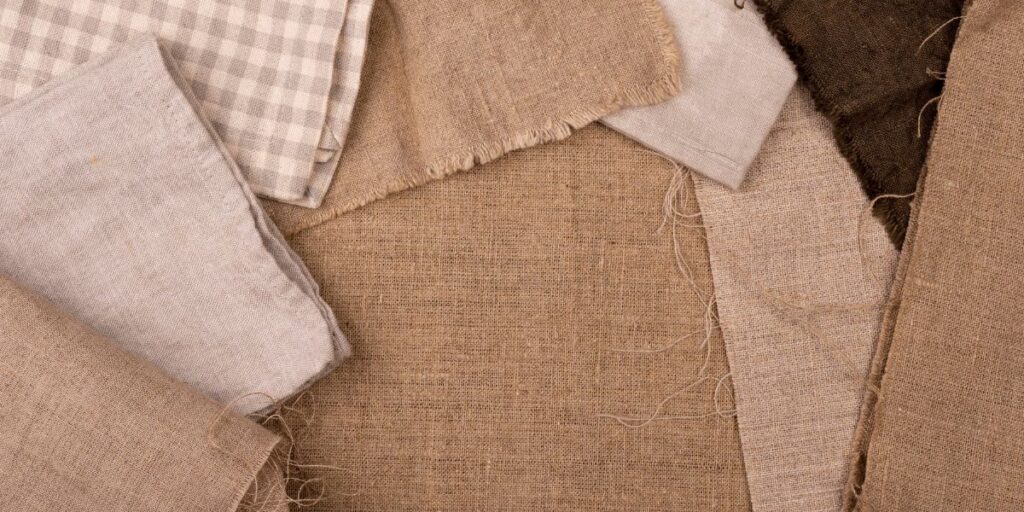
Jute garments are sustainable products in the textile sector. These two products are eco-friendly and sustainable in the textile industry. These are made from natural jute fibre, which meets the growing demand for clothing that is both eco-friendly and biodegradable. Manufacturing encompasses preparing fabrics and weaving jute fabric, drawing patterns, and sewing clothes, including shirts, dresses, and bags. This business is relevant to rising environmental concerns and to people with an environmental conscience, making it a unique textile business idea in today’s market.
- Investment Details: ₹8-12 Lakhs for jute fabric and equipment.
- Resources: Jute, dyeing and stitching machines.
- Market Demand: Increasing in urban eco-conscious consumers.
- Profit Margin: 25-35%.
7. Sewing Thread Reels Production

Sewing thread reels are used in the textile sector for stitching apparel, furnishing fabrics and home textiles. Manufacturing consists of spinning and dyeing polyester, cotton, or silk yarn and winding it into reels. This business targets a broad market since it sells to people who engage in garment production and to individuals who like to do crafts at home. Textile business ideas in sewing thread production can therefore be very lucrative if quality control and proper branding are achieved.
- Investment Details: ₹4-8 Lakhs for thread winding machines.
- Resources: Polyester or cotton threads.
- Market Demand: High demand from garment manufacturers.
- Profit Margin: 20-30%.
8. Acrylic Blanket Manufacturing

An acrylic blanket is very light and warm, and is commonly used in homes, hospitals, and hotels, particularly in the winter season. Manufacturing involves spinning or weaving acrylic fibres to produce soft yet tough blankets. These blankets are cheaper than wool and in great demand. Acrylic blanket production is flexible, allowing companies to produce large quantities for sales or individual packets. They attract more customers, especially in the export market, because they are developed to meet customers’ colour preferences, making this one of the business ideas in the textile industry with strong seasonal and export potential.
- Investment Details: ₹12-20 Lakhs for weaving machinery.
- Resources: Acrylic fiber, spinning machines.
- Market Demand: High during winter.
- Profit Margin: 30-40%.
9. Curtains and Blinds Production

Drapes and blinds are home furnishings used for fashion and function. This business entails designing and sewing different window treatments from different fabrics and materials such as; cotton, silk, polyester and wood. The blind-making process involves cutting, stitching, and assembling blinds or curtains. Current trends such as the use of new designs in homes are what are pushing this market. Additions to services and new designs can also enable clients to be attracted, hence leading to repeat sales.
- Investment Details: ₹6-10 Lakhs for materials and sewing machines.
- Resources: Fabric, design tools, stitching equipment.
- Market Demand: Steady demand from interior decoration sectors.
- Profit Margin: 25-35%.
10. Embroidery Unit

Embroidery comes out as a highly profitable venture since it enhances the looks of garments, home textiles and accessories. It entails the capability to embroider fabrics with complexity by the help of automated or manual embroidery machines. Indeed, the need for branded and corporate gifts, sari and wedding wear, forms a strong growth prospect for an embroidery unit. Textile business ideas in embroidery can target fashion brands, interior designers, or anyone who would want a different design.
- Investment Details: ₹5-8 Lakhs for embroidery machines.
- Resources: Threads, patterns, embroidery equipment.
- Market Demand: High demand for custom designs.
- Profit Margin: 30-50%.
11. Denim Garment Market

Denim garments are evergreen and suitable for people of all ages. This business involves creating articles of clothing, such as jeans, jackets, and shirts, from denim fabric. Some of the production stages include cutting, stitching, washing, and finishing. If properly branded and with the best quality control, denim garments could sell in the international market. The business has prospects in the wholesale and retail sectors, as well as in exports, offering numerous business ideas in the textile industry for entrepreneurs.
- Investment Details: ₹15-25 Lakhs for production and inventory.
- Resources: Denim fabric, sewing machines, skilled labour.
- Market Demand: High across all demographics.
- Profit Margin: 25-40%.
12. Designer Saree Making

Designer sarees meet this ethnic wear niche requirement, especially in the festive and wedding season, and on special occasions. The process includes using noble fabrics such as silk, chiffon, or georgette, and beautifying them with stylish embroidery or embellishments, or even creating a new, trendy print. Since people place great emphasis on traditional Indian clothing in India and abroad, the production of designer sarees is very lucrative. To start, it is often effective to target specific customer segments and design unique items, making it one of the most profitable textile business ideas for beginners, with strong demand in both domestic and export markets.
- Investment Details: ₹5-10 Lakhs for fabric and embellishments.
- Resources: Silk, cotton, embroidery tools.
- Market Demand: High in traditional and ethnic wear markets.
- Profit Margin: 40-50%.
13. Knitting Garments

Clothing accessories such as sweaters, cardigans, and scarves are common necessities due to fashion and cold climates, especially in winter. Knitting machines are used to produce woven designs from wool, cotton, or synthetic fibres. This business can therefore penetrate both the casual and luxury markets by providing customised designs and high-quality products. As demand for winter and sportswear increases, garments with knitted features are likely to generate sustained income.
- Investment Details: ₹8-12 Lakhs for knitting machines and raw materials.
- Resources: Wool, cotton, synthetic threads.
- Market Demand: High in winter and casual wear markets.
- Profit Margin: 25-35%.
14. Garment Wholesaling

Garment wholesaling means selling clothes in large quantities from manufacturers to retailers or distributors. This business needs good relationships with the garment manufacturers and retailers. It can be oriented to certain categories including children’s wear, sports wear, or ethnic wear. Due to the availability of competitive prices and variety of stocks in garment wholesaling, a great amount of revenue may be obtained. Textile business ideas in garment wholesaling is a low-risk investment because customers will always be needed, especially when it comes to clothes.
- Investment Details: ₹10-15 Lakhs for bulk purchasing and storage.
- Resources: Storage space, transportation.
- Market Demand: Consistent from retailers.
- Profit Margin: 15-25%.
15. Textile Screen Printing

Textile screen printing is a wonderful and lucrative venture, especially due to the ever increasing market for personalized t-shirts, bags and fabrics. In this process designs are printed on fabrics with the help of a mesh screen and special inks. The material is widely used for engraved clothes, giveaways and fashion iconography. This type of business can easily provide for the individual customer as well as separate bulk orders from companies or supermarkets, making it one of the most practical small textile business ideas with strong customisation and bulk-order potential.
- Investment Details: ₹3-6 Lakhs for printing tools and materials.
- Resources: Screens, inks, and fabrics.
- Market Demand: High in the customised t-shirt and bag markets.
- Profit Margin: 20-30%.
16. Manufacturing of Leggings

Women now wear leggings for comfort and elegance in everyday wear and on special occasions. This business manufactures premium leggings made from fabrics such as Lycra, spandex, and cotton blends. Sewing, cutting, and finishing of garments involve elastic waists. There is great demand in activewear and daily-wear subcategories, so leggings manufacturing is a lucrative business. Textile business ideas in leggings manufacturing can target wholesale, retail, and export markets.
- Investment Details: ₹5-8 Lakhs for fabric and stitching machines.
- Resources: Lycra, cotton blends, stitching tools.
- Market Demand: High demand in urban areas.
- Profit Margin: 30-40%.
17. Carpet and Rugs Making

Carpet and rug manufacturing is a lucrative business with high demand in the home décor and hospitality sectors. The production involves weaving or tufting natural or synthetic fibres into durable, attractive designs. Offering custom patterns or eco-friendly materials, such as wool or jute, can create a niche in the market. This business can target luxury markets and export opportunities, as handcrafted and sustainable rugs are gaining global popularity, offering great business ideas in textile industry for those looking to tap into sustainable home furnishings.
- Investment Details: ₹15-20 Lakhs for weaving machines and materials.
- Resources: Wool, jute, synthetic fibres.
- Market Demand: High in luxury and export markets.
- Profit Margin: 30-50%.
18. Textile Retail Store

A textile retail store is known for displaying, selling, and offering a wide range of fabrics, garments, and home textile products to consumers. This entails procuring high-quality stock in the market and selling it to clients. As evidenced by the global market, there is a rising consumer interest in both conventional and contemporary fabrics, which a retail store can address. Location, product quality, and price are the major considerations for success in retail. It can drive even more sales if the business expands to online platforms, making it one of the most practical textile business ideas for beginners, with both offline and online growth opportunities.
- Investment Details: ₹10-20 Lakhs for inventory and setup.
- Resources: Varied fabrics, display racks.
- Market Demand: Steady from urban and semi-urban areas.
- Profit Margin: 15-25%.
19. Customized Upholstery Services

Fabric protection and upholstery services provide solutions to meet the needs of home and office furnishings. This business produces furniture covers, cushions, and drapery for individual clients. This involves cutting and sewing fabrics, stuffing and sewing to fit users’ absorbent preferences. As for interior aesthetics, this business has a stable demand from residents and enterprises for comfortable, durable furniture. Offering clothes made from environmentally friendly or high-quality materials can be an incentive for some customers.
- Investment Details: ₹6-10 Lakhs for tools and materials.
- Resources: Fabric, sewing machines, foam.
- Market Demand: High in urban interior markets.
- Profit Margin: 25-35%.
20. Eco-Friendly Recycled Products

Recycled outfits are becoming favourites due to growing environmental consciousness. This business involves collecting unwanted fabrics and garments and transforming them into useful items such as bags, mats, and clothing. The process involves classifying, washing, and reusing waste textiles into new materials or products. Due to the current rise in awareness of environmental issues and the current government’s push for sustainability, textile business ideas in recycling have a lot of potential. Marketing to green consumers and eco-friendly brands is highly profitable.
- Investment Details: ₹8-15 Lakhs for recycling equipment.
- Resources: Scrap fabrics, processing tools.
- Market Demand: Growing with increasing sustainability trends.
- Profit Margin: 30-40%.
Textile Business Startup Cost — (Breakdown).
Business startups are expensive. But where does the money go? The following is a basic table to demonstrate the expenses of a small manufacturing facility (a T -shirt factory).
Requirements for Starting a Business in the Textile Industry
- Market Research: It is important for researchers to understand the trends occurring in the marketplace.
- Capital Investment: In this respect, the investment might range from a small enterprise to a large-scale enterprise.
- Raw Materials: To maintain quality, it’s necessary to purchase better facilities for fabric production, including cotton, silk, or synthetic fibres.
- Skilled Workforce: Skilled artisans or trained employees can easily deliver the highest-quality product.
- Technology Integration: Sophisticated equipment and tools for fabric creation and design increase fabric efficiency.
- Compliance and Licenses: Rules and regulations must be followed, and the most important requirement is to ensure that all necessary permits have been obtained.
Textile Business Profit Margin -What to Expect
- Profit Margin: the amount of money left after settling all bills. The profit margins in the textile business are very good.
- Retail (Shops): 20 % to 40 %. When you sell a shirt that costs you 1000 rupees, you make a profit of 200 to 400 rupees.
- Manufacturing (Factory): 15 % to 25 %. You are selling in large quantities; hence, the profit per unit is lower, yet you are selling many units.
- Luxury/Designer Wear: 50 % to 100 %. Individuals demand higher prices for distinctive designs and well-known brands.
- Export: 10 % to 20 %. The order sizes are immense (thousands of pieces), and the margin is less.
What affects your profit?
- Cost of Fabric: As the cost of cotton increases, profit decreases.
- Competition: If there are numerous stores selling the same product, you must reduce your price.
- Quality: A higher-quality product allows you to sell it at a higher price.
Steps to start a Textile Business in India
Do not rush. These are the easy steps you can follow to build a solid business.
Step 1: Market Research (Study the Market).
Consider spending money, think before you spend.
- What are people buying?
- Do you have excessive saree stores in your neighbourhood?
- Is the demand for kids’ clothes?
- Converse with the shopkeepers and customers.
Step 2: Select Your Niche (Pick One thing).
Don’t try to do everything. Pick one specific product.
- Thought: Have the bad idea of selling all kinds of clothes.
- Good Idea: I will sell cotton T -shirts to college students.
As soon as you give your mind to something, you become a professional.
Step 3: Business Plan & Funding
Write down your plan.
- How much money do you need?
- Where will you get it? (Savings, bank loan or investors).
Small businesses can be assisted through government programs such as Mudra loans.
Step 4: Legal Registration
To be legal, you must register your business.
- GST number: This is required for both purchases and sales.
- Registration of MSME: Assists you in receiving governmental benefits.
- Trade license: Permission of the local municipality.
Step 5: Location and Machinery
- Location: If you are a factory, choose a low-cost area with reliable electricity. In case you are a shop, locate a busy market.
- Machinery: Purchase of good-quality machines. Secondhand machines are cheaper and may have frequent breakdowns.
Step 6: Find Suppliers
You need good raw materials.
- Identify farmers or large wholesalers who sell fabric at low prices.
- Develop rapport with them so they will give you credit (they have time to pay later).
Step 7: Hire Skilled Workers
Machines cannot do everything. You need skilled people.
- Tailors who stitch neatly.
- Designers who are aware of the latest fashion trends.
- Packer assistants.
Step 8: Marketing and Selling
Now, you need customers.
- Online: Use Instagram to establish a page. Post photos of your products.
- Out of the office: Go to the local stores and demonstrate them your samples.
- Selection: Have a booth at local fairs to showcase your brand.
Conclusion
The textile industry continues to play a vital role in the global and Indian economies and offers strong business prospects. It is a rather broad product offering, ranging from traditional textiles and performance apparel to environmentally friendly materials. It is a lucrative opportunity to start a business in this sector, and it is fulfilling as well when you are considering new, environmentally friendly business ideas in the textile industry. The government in India has been supportive, and the workforce is skilled, making it an ideal place to explore new avenues in textiles.
By meeting market needs, embracing technology, and delivering high quality, it is possible to gain a unique market share in this competitive sector. Whether one is starting a simple home-based textile business or establishing a large-scale fabric manufacturing company, the textile industry is a promising sector for investment. Opportunities exist, and if properly dedicated and planned, your Textile business ideas should become a successful venture.
Find More Business Ideas:
FAQs
What are some of the most recommended textile business ideas to embark on in India?
Here are the ideas concerning the textile business: fabric production, garment manufacturing, traditional textiles, and organic textiles.
Where can I begin to start a textile business from home?
First, choose a market segment, such as the handloom industry or fashion design, source fabrics or other raw materials, and then sell online.
Why are environmentally friendly fabrics becoming popular?
Organic fabrics align with current environmental conservation measures, making them part of the solution and meeting consumer needs.
How important is technology in relation to textile business ideas?
Technology increases productivity, lowers costs of production and innovation in the manufacturing of performance textiles and fabrics.
What are the reasons for selecting traditional textiles for my business?
Traditional textiles are special because they offer cultural value and market advantages across regional and global markets.