

As we move into 2026, the agriculture sector continues to evolve rapidly, driven by advanced technologies, sustainable practices, and the growing demand to feed a modern, expanding population.
In India, the agriculture sector is experiencing steady and promising growth. The Indian agriculture market was valued at around USD 479 billion in 2026 and is projected to grow at a CAGR of approximately 4.9% from 2026 to 2035, highlighting strong long-term potential. Additionally, broader industry estimates suggest even faster expansion in certain segments, with the sector expected to grow at nearly 9.6% CAGR through 2034, driven by agri-tech adoption, government support, and rising demand.
In 2026, the agriculture industry is opening up exciting opportunities for entrepreneurs to build innovative and profitable ventures. From organic and natural farming to tech-driven solutions like precision agriculture, smart irrigation, and agri-digital platforms, there are numerous high-potential agriculture business ideas that appeal to both traditional farmers and modern agri-entrepreneurs. Whether you are an experienced farmer or a beginner exploring new opportunities, agriculture in 2026 can be both a rewarding and profitable field. One major advancement transforming agriculture is smart farming, which leverages IoT, automation, and data analytics to boost productivity, optimize resources, and support sustainability in farming practices.
In this article, we will explore some of the best agriculture business ideas for 2026, along with practical insights and key factors to help you get started successfully in the agriculture sector.
Why Start a Business in Agriculture in 2026?
Starting an agriculture business in 2026 is a smart move due to strong market growth and rising demand. In India, the agriculture sector was valued at around USD 479 billion in 2026 and is expected to grow steadily at ~4.9% CAGR, with even faster growth in agri-tech and organic segments.
Increasing population, higher food demand, and changing consumer preferences toward healthy and organic products are creating new business opportunities. At the same time, rapid adoption of technologies like AI, drones, and smart irrigation is transforming traditional farming into a more profitable and scalable industry.
With strong government support, subsidies, and a stable demand-driven market, agriculture in 2026 offers a perfect mix of low entry barriers, high growth potential, and long-term sustainability.
Top 25 Profitable Agriculture Business Ideas for 2026
1. Organic Farming

Organic farming comprises a practice of crop growing in which synthetic fertilizers, pesticides, and genetically modified organisms are not used. Organically grown foods are currently on high demand because of the rise in health conscious consumers and environmental conservationism. They can cultivate vegetables, fruits, grains or herbs organically, which in turn delivers a high quality product to the market.
- Investment Details: Initial investment ranges from $5,000–$50,000.
- Resources: Farmland, Organic seeds/fertilizers, Drip irrigation system,Organic certification
- Market Demand: The global organic food market is expected to grow at 8%-10% CAGR, driven by health-conscious consumers.
- Profit Margin: 15%-30%.
2. Dairy Farming
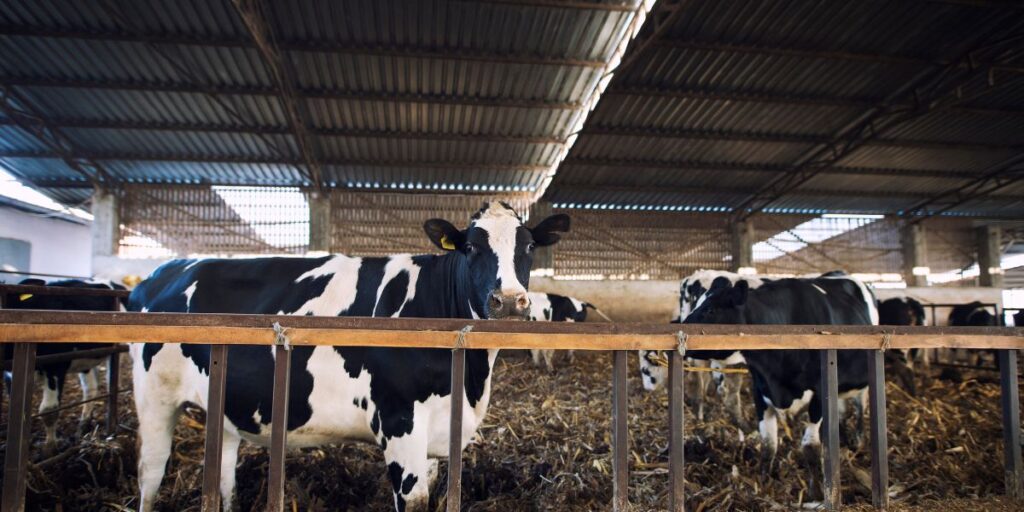
Animal husbandry is a business of rearing animals, particularly cattle for the purpose of producing milk. Dairy products such as milk, cheeses, yogurts, butter and so on are part of people’s diet all over the world. Automation in milking and feeding has in particular improved efficiency and profitability in this particular sector, making it one of the top agriculture business ideas for entrepreneurs looking to invest in sustainable food production.
- Investment Details: Investment ranges from $10,000–$100,000.
- Resources: Cattle breed selection, Dairy machinery, Fodder and feed supply
- Market Demand: The dairy market is growing steadily, with increasing consumption in developing economies.
- Profit Margin: 20%-35%.
3. Beekeeping and Honey Production

Bee farming involves the form of agriculture where bees are reared with a view of harnessing its products such as honey and others such as beeswax and royal jelly. Since people are becoming more conscious of their health and there is an increased need for natural sweeteners and pollination services, this agriculture business ideas has a bright future ahead.
- Investment Details: Starting costs are $2,000–$10,000.
- Resources: Beehives, Bee colonies, Extraction equipment
- Market Demand: Natural honey has strong global demand, particularly in health and wellness markets.
- Profit Margin: 30%-40%.
4. Mushroom Farming

Mushroom farming is the act of raising edible fungi commonly used in the production of foods such as button, oyster or shiitake mushrooms. Another reason is relatively short cycles of growth and continuously growing interest in cooking.
- Investment Details: Initial investment ranges from $3,000–$15,000 for a small-scale setup.
- Resources: Mushroom spawn, Temperature-controlled chambers, Compost preparation
- Market Demand: Mushroom consumption is rising, driven by vegetarian and vegan dietary trends.
- Profit Margin: 25%-50%
5. Herbal and Medicinal Plant Farming

Medicinal plants such as aloe vera, tulsi, ashwagandha can also produce high yields and therefore can be very profitable to cultivate. These include the use in formulation of pharmaceutical products, cosmetics and in manufacturing of herbal health supplements.
- Investment Details: Initial investment ranges from $5,000–$20,000
- Resources: Quality seeds, Organic fertilizers, Knowledge of plant care
- Market Demand: The global herbal products market is expected to grow significantly due to increased interest in natural remedies.
- Profit Margin: 30%-40%.
6. Hydroponic Farming
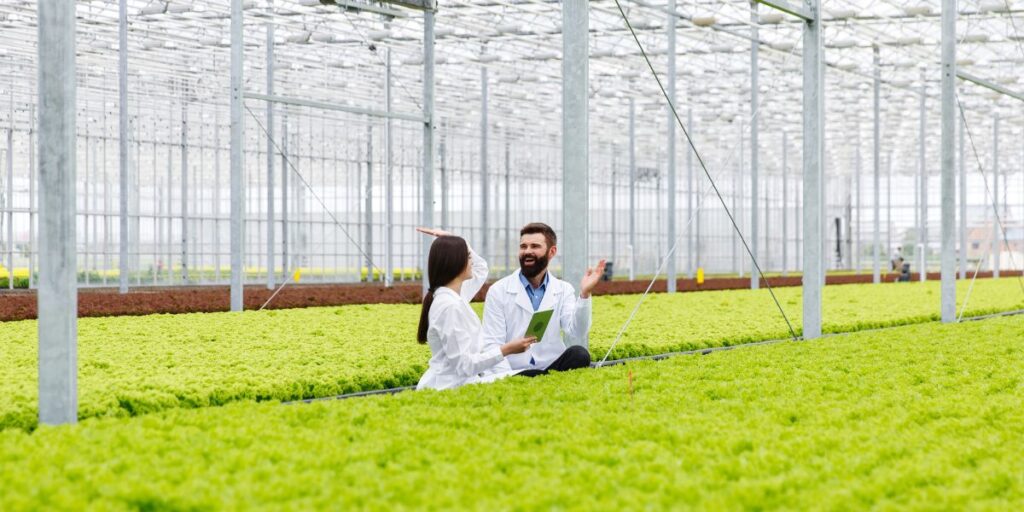
Hydroponic farming refers to growing crops and plants in a nutrient solution all through the growth of the plant without necessarily using soil. It is suitable for the modern method of farming that is used in cultivating high value crops such as leafy vegetables, herbs and strawberries. The design is most suitable for use in urban areas with limited space to use for the construction of the car park. It can be one of the best agriculture business ideas in upcoming days.
- Investment Details: $10,000–$50,000.
- Resources: Hydroponic systems ,Grow lights, Controlled environment
- Market Demand: The market for hydroponically grown produce is growing due to consumer demand for pesticide-free, fresh food.
- Profit Margin: 20%-50%
7. Goat Farming

Goat farming can be profitable because it provides meat, milk and skin which are well demanded by the market. Compared to the large livestock, goats are easier to manage and cheaper to keep, something that makes it easy for the small farmers.
- Investment Details: $5,000–$20,000, depending on herd size.
- Resources: Quality goat breeds, Shed and pasture land, Feed and healthcare
- Market Demand: High in both local and international markets, especially in areas with a preference for goat meat.
- Profit Margin: 30%-40%
8. Poultry Farming
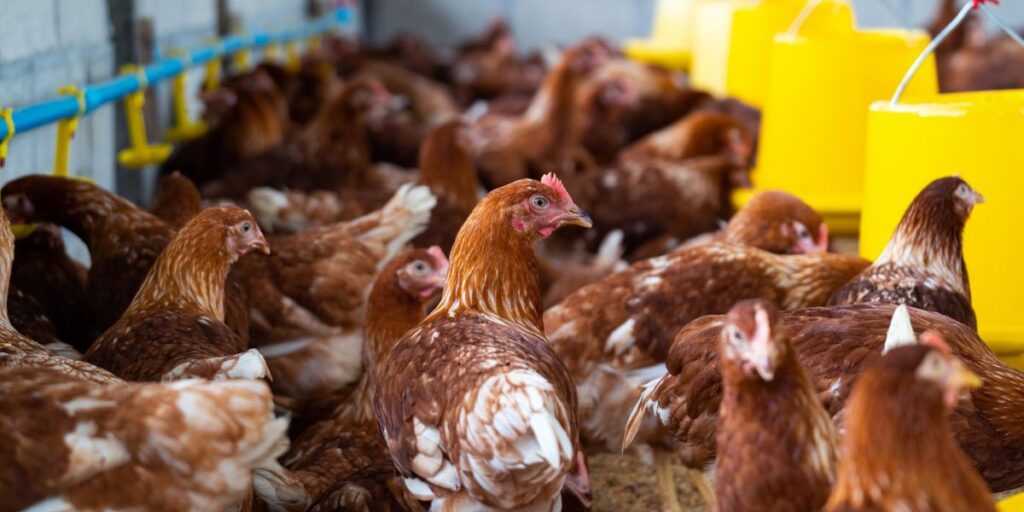
Chickens for meat production (broilers) or for egg production (layers) is one of the most emerging agriculture business ideas in the game. Another advantage of the poultry is that it is a widely used food product all over the world and therefore its demand is not likely to be seasonal.
- Investment Details: $5,000–$50,000, based on flock size and infrastructure.
- Resources: Chickens (broilers or layers), Feed and vaccinations, Housing and management systems
- Market Demand: Steady demand due to global population growth and rising protein consumption.
- Profit Margin: 20%-35%.
9. Fish Farming

Fish farming or aquaculture refers to the process of rearing fish kinds, which include tilapia, catfish, or salmon among others, in contained structures. Besides, it can be considered as a profitable business since people’s consumption of fish and other seafood products continually rises. It is also one of the famous business ideas in bihar too.
- Investment Details: $5,000–$30,000 for pond construction and stocking.
- Resources: Ponds or tanks, Fingerlings, Aeration and feeding systems
- Market Demand: High demand for freshwater and saltwater fish globally.
- Profit Margin: 25%-40%.
10. Agri-Tourism

Agri-tourism is the tour where tourists are taken through farms and offered a chance to stay at the farms and partake in farming activities such as picking fruits, participating in cooking meals among others. It stabilizes farm income as it also serves a purpose of creating awareness to the people. As a growing sector, agri-tourism is one of the top money making agriculture business ideas, combining agriculture with tourism for mutual benefit and profit.
- Investment Details: $10,000–$50,000 for facilities and marketing.
- Resources: Farm setup, Accommodation facilities, Staff for tours and activities
- Market Demand: Growing due to eco-tourism trends and urban demand for rural experiences.
- Profit Margin: 30%-50%.
11. Fruit Orchard Business

In other instances, raising high-demand produce such as apples, mangoes or oranges yields good returns. This is an important factor in determining management strategies because orchards are capable of providing regular income for several years.
- Investment Details: $10,000–$50,000 for land preparation and saplings.
- Resources: Fruit tree saplings, Irrigation systems, Fertilizers and pest control
- Market Demand: Rising due to health-conscious consumers preferring fresh fruits.
- Profit Margin: 20%-40%.
12. Flower Farming

Floral production such as growing of roses, marigolds, and orchids for sale for bouquet, decoration, and perfume making is very lucrative. Flower farming also suits export markets since it offers the best returns for farmers who produce and sell the flowers to overseas buyers. This farming can be one of the best business ideas for women who are looking to start profitable business.
- Investment Details: $5,000–$20,000 for seeds and greenhouse setup.
- Resources: Flower seeds/bulbs, Greenhouses (optional), Irrigation and fertilizers
- Market Demand: Strong demand for fresh flowers in weddings, festivals, and gifting.
- Profit Margin: 30%-50%.
13. Spice Farming

Spice farming is characterized by the production of other cash crops such as spices including pepper, cardamom, turmeric and cinnamon. These crops are mostly grown in the tropics and subtropics and are very sensitive to soil, temperature, moisture regimes. Spices in general are used for its taste, smell and medicinal purposes with high demand all over the world. Good harvesting and drying practices make spice farming a very attractive agriculture business ideas for future.
- Investment Details: $3,000–$15,000, depending on the crop.
- Resources: Quality seeds or rhizomes, Organic fertilizers, Proper drying and storage facilities
- Market Demand: High demand locally and internationally for natural and organic spices.
- Profit Margin: 25%-45%.
14. Herbal Tea Production

Herbal tea production does not aim at mass production of tea but the growth and preparation of herbs which often include chamomile, mint and lemongrass. These are caffeine-free and can be used to relax, to improve digestion, and to boost the immune system. Storage, drying, and packing play an important role in improving the quality and shelf-life of the final products. The farming of promotional herbal teas expands in regard with the rising concern concerning healthy products on the population’s part.
- Investment Details: $5,000–$20,000 for cultivation and packaging.
- Resources: Herbal plants, Drying and processing units, Packaging materials
- Market Demand: The herbal tea market is growing rapidly due to wellness trends.
- Profit Margin: 30%-40%.
15. Rabbit Farming

Rabbit farming is one of the cheapest livestock production systems that provides meat, fur and manure. Rabbits are easy to breed, and can grow rather fast, and do not take a lot of space or feed. Due to growing demand on lean meat and quality fur rabbit farming provides a good opportunity to have a steady income. Sound etiquette for care, disease prevention and cleanliness are hallmarks of success in this field.
- Investment Details: $2,000–$10,000 for cages and feed.
- Resources: Breeding stock, Feed and supplements, Shelter facilities
- Market Demand: Growing rabbit meat and fur in niche markets.
- Profit Margin: 20%-30%.
16. Snail Farming

Heliciculture is the process of raising snails for human consumption, cosmetic and pharmaceutical uses. Snail meat is proteinous and low in fat; it is now becoming more and more popular in the international market. Farming is a process that needs a controlled environment in as much as water, shelter, and feed available all the time. Snail farming can be described as an economically viable low input and globally growing agribusiness. making it one of the top money making agriculture business ideas for those looking to enter a unique and profitable market.
- Investment Details: $1,000–$5,000 for setup.
- Resources: Breeding snails, Moisture-controlled pens, Feeding and care supplies
- Market Demand: Strong in gourmet and health food markets.
- Profit Margin: 40%-50%.
17. Cotton Farming

Cotton farming is useful in the production of the world’s most significant natural fiber used in the production of textiles. It needs a tropical region, rich soil and moderate rainfall. Regular pest control check as well as efficient use of water is key to high yield. Cotton also provides non- textile products such as cottonseed oil, meal making it among the most economical crops to cultivate.
- Investment Details: $5,000–$30,000 for seeds and equipment.
- Resources: Cotton seeds, Fertilizers and pesticides, Harvesting tools
- Market Demand: High global demand for natural fibers.
- Profit Margin: 15%-25%.
18. Soybean Farming

The farming of soybeans results in useful beans for oil production, feeding livestock and soy products rich in protein. Soybeans are best produced in well drained soils and mid range rainfall and temperatures. As demand for meats and oils rise, soybean production is one of the most profitable money making agriculture business ideas, entailing the right rotation practices and disease control for maximum yield and sustainability.
- Investment Details: $5,000–$20,000 for seeds and machinery.
- Resources: Quality seeds, Fertilizers and pesticides, Harvesting equipment
- Market Demand: High for soy-based products like tofu, soy milk, and oil.
- Profit Margin: 20%-30%.
19. Vermicomposting

Ecotourism involves using soil earthworms in the treatment of organic waste that when added to the soil boosts fertility of the soil and plant growth. It is an environmentally friendly technique, which goes well in minimizing waste, and making quality organic fertilizers. Vermicomposting is stress-free, cheap, eco-friendly, and viable hence suitable for smallholder farmers and environmentally sensitive organizations.
- Investment Details:
$1,000–$5,000 for worms and bins. - Resources: Compost bins, Red wiggler worms, Organic waste
- Market Demand: Growing due to the rise of organic farming.
- Profit Margin: 30%-50%.
20. Silk Farming (Sericulture)

Sericulture refers to the process of farming silkworm to obtain silk, a finest natural fiber to be used for production of textile. It involves growing mulberries to the silkworms, breeding the silkworms and collection of the cocoons. The whole process of silk production is labor intensive but it entails a lot of work and regional input out of which is meticulous. High market demand of silk in textile Business Ideas and arts makes sericulture one of the most promising agriculture business ideas, offering great potential for profitability and growth.
- Investment Details: $10,000–$30,000 for silkworms and mulberry plantations.
- Resources: Silkworm eggs, Mulberry plants, Harvesting tools
- Market Demand: Consistent demand for silk in fashion and home decor.
- Profit Margin: 30%-40%.
21. Aquaponics Farming
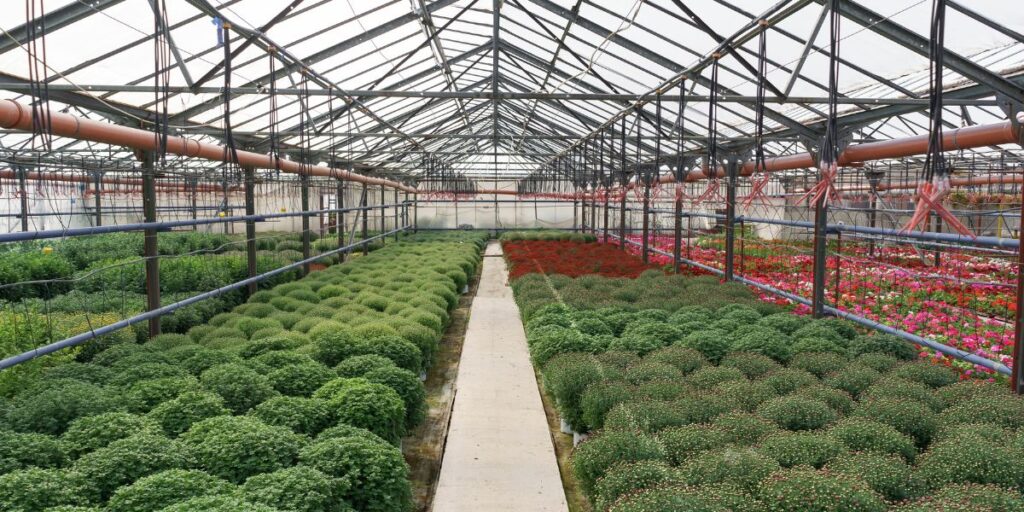
Aquaponics currently incorporates elements of aquaculture that involves rearing fish, and hydroponics, which does not involve soil. The operational nature makes the system sustainable since fish droppings feed the plants, while plants purify water to support fish. This configuration is ideal for plants that require less soil, such as veggies grown in pots and trays like lettuce and herb plants.
- Investment Details: $10,000–$50,000, depending on the scale and technology.
- Resources: Tanks and grow beds, Fish and plant seeds, Water filtration and nutrient systems
- Market Demand: Increasing due to sustainable farming trends and urban food production needs.
- Profit Margin: 20%-50%.
22. Organic Fertilizer Production
Preparation of organic fertilizers from plant and animal wastes is one of the rapidly growing industries. The expansion of organic farming leads to the need for organic fertilizers since organic production is environmentally friendly. Some of the products include compost, manure, and bio-fertilizers. fAs demand for sustainable farming practices rises, producing organic fertilizers is one of the best agriculture business ideas, offering both profitability and environmental benefits.
- Investment Details: $5,000–$20,000 for composting units and raw materials.
- Resources: Organic waste, Composting machines, Packaging and marketing
- Market Demand: Rising due to the global shift toward organic farming practices.
- Profit Margin: 30%-50%.
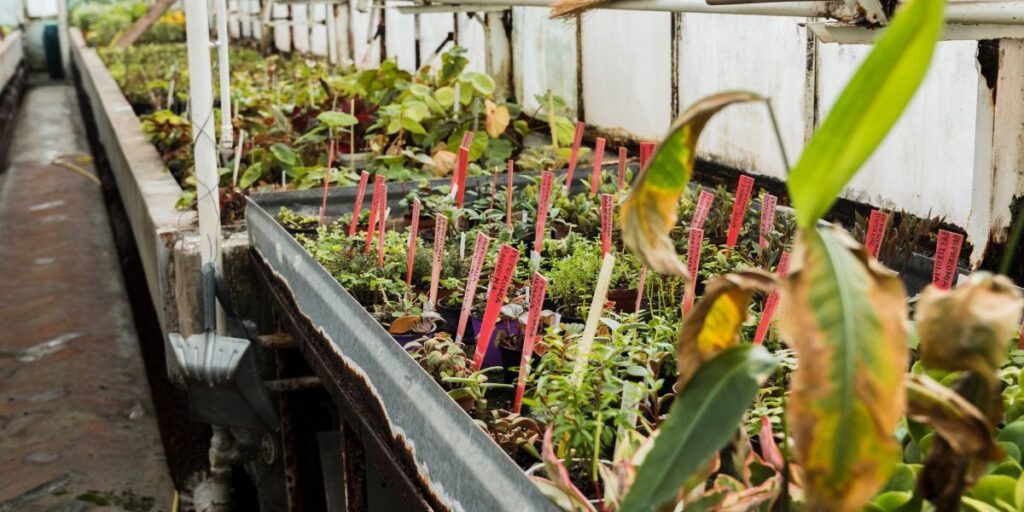
23. Plant Nursery Business

A plant nursery is a commercial business that normally deals with selling of seedlings, ornamental plants and greenery that is used in landscape designing. Nurseries serve gardeners, landscapers, developers of residential and commercial properties, and others involved in landscaping activities.
- Investment Details: $3,000–$15,000 for land, seeds, and maintenance.
- Resources: Quality seeds and saplings, Greenhouse or shaded area, Tools and soil mix
- Market Demand: Consistent, driven by urban gardening and landscaping trends.
- Profit Margin: 30%-40%.
24. Sheep Farming

Sheep farming is an all round business as it provides wool for clothing and fabrics, meat for food and milk for consumption. It is advantageous to be used in regions with vast grazing fields and other benefits from providing diverse sources of income.
- Investment Detaicar $5,000–$30,000 for sheep and farm setup.
- Resources: Quality sheep breeds, Pasture land, Feed and veterinary care
- Market Demand:
High for mutton, wool, and dairy products globally. - Profit Margin: 25%-40%.
25. Coconut-Based Products Business

Particularly, the outer covering of the coconuts is used to manufacture oil and water while the fiber is used to make coir and other edible products such as desiccated coconut or coconut flour. Again, value addition is a vital factor; its profitability is vital.
- Investment Details: $5,000–$30,000, depending on processing scale.
- Resources: Coconuts, Processing machinery, Packaging units
- Market Demand: High demand for coconut oil and health-focused products in global markets.
- Profit Margin: 30%-50%.
Agriculture Business Ideas Under ₹50,000
Do you worry you do not have a huge bank deposit to invest? Please don’t stress. You do not at all require lakhs of rupees in order to venture into the agri-business. The following are some of the outstanding ideas on low investment farming business which you can initiate immediately:
1. Production of organic Vermicompost
This is probably the most ideal farming business for less than 50000 rupees. You literally make waste into wealth. One only requires earthworms, cow dung, and dry farm or kitchen waste. The waste is consumed by the earthworms which give out very nutritious organic fertilizer. You can fetch this compost and sell to home gardeners, local plant nurseries or organic farmers. All you need is to purchase the worms and simple plastic tarps or bins which are your major investment.
2. Plant Nursery and Floriculture
In case you possess a green thumb and even a small piece of backyard, open a small nursery. The plant parent trend has since been an explosion since the pandemic. Indoor greens such as Snake Plant, Pothos, or Monstera are the most desired by people who live in apartments. It is possible to purchase seeds or saplings at extremely low prices, plant them in nice pots, and sell them locally or even online via Instagram or WhatsApp.
3. Cultivating Microgreens
Microgreens are small, highly nutrient vegetable shoots (such as radish, broccoli, or sunflower shoots) which are only 7 to 10 days old when they are harvested. They are a huge success both in high-end restaurants and among athletes. They can be cultivated in shallow trays in shelved areas with the help of simple LED grow lights. The price of their seeds is very low and they fetch high price per gram.
4. Backyard Poultry Farming
In case you have a small plot of land within a rural or semi-urban environment, you can make good money keeping 50 or 100 free-range chickens (such as the Kadaknath or the pure Desi breeds). Citizens are abandoning factory-farmed eggs and are now on a vigorous search to source organic, free-range eggs that can sell at twice or even thrice higher than the regular eggs.
Agriculture Startup Ideas For Young Entrepreneurs
To the new generation of techno-savvy individuals, old-fashioned farming may not appeal but finding solutions to farming issues using technology will. To get a modern company, your agricultural startup price may be compensated by the enormous scalability of the following agricultural start up concepts:
1. Drone-as-a-Service (DaaS)
A commercial drone may appear costly, yet it is quite possible given the extensive government subsidies (as discussed below). Small farmers who are the majority are not able to afford their own drones hence they hire. You can provide service to map their fields, survey crop health with cameras, or spray fertilizer and pesticides in a tenth of the time it would have required human workers to perform the same task.
2. Farm-to-Fork E-commerce Apps
The biggest issue with Indian agriculture is the intermediary. Farmers sell at low prices, and consumers at high prices. A localized digital platform can be developed (such as a basic app or even a closed WhatsApp group) that will allow connecting local farmers with urban housing societies. You are in charge of the logistics and delivery. There are companies such as Ninjacart and WayCool that began with the same simple ideas and are today giant organizations.
3. Custom Machinery Recruiting Centers.
This is what can be called Uber with Tractors. The machinery in agriculture is not cheap. Some small farmer who only requires rotavator or harvester in three days annually, should not be forced to purchase one. In case you are able to invest in some machines of high quality, you can hire it out on a daily or hourly basis by just making a simple reservation.
Steps to Start an Agriculture Business – Step By Step
Feeling inspired? Great! However, do not fly out to purchase a tractor. This is just any other business start-up. These are just but simple steps that you can follow so as to make sure that you are priming yourself up to be a success:
Step 1: Do Real Market Research
Only do not simply grow what your grandfather grew or what your neighbor is growing. You must have a local need to be filled. Go to the local markets of your city and discuss with the sellers. What are we always out of stock? Are organic tomatoes in demand? Monitor government portals such as Agmarknet to know the exact price of crops every day in India in order to understand what is selling well.
Step 2: Define Your Exact Niche
Agri-business is huge. You have to choose where you belong in the chain. Will you be the Producer (growing the real crops/mushrooms), the Processor (making milk into cheese or potatoes into potatoes) or the Service Provider (renting out drones or machines)? Pick one and master it first.
Step 3: Raise Your Financing and Acquire Territory
Be realistic in terms of the budget. When you have a small amount of less than 50000, then you can start with the vermicompost or microgreens in the backyard. When you are looking bigger, then take your business plan and apply towards the above schemes offered by the government.
Step 4: Implemented the Contemporary Techniques of Agriculture
It is a poor business idea to depend on the monsoon exclusively in the year 2026. You should adopt contemporary farming methods in order to safeguard your investment. Use drip irrigation systems in order to conserve water. Purchase low-priced digital soil testing machines to prevent speculating about the right fertilizers; hence, knowing the right fertilizers to apply. Enlightenment is your greatest manure.
Step 5: Acquire the appropriate Certifications
You can not simply put the word Organic on a label and sell your products as being organic (and sell at a higher price than you would otherwise). You have to be legally registered with established institutions such as NPOP (National Programme for Organic Production) or PGS-India. In the case of any processed foods, an FSSAI license is an unquestionable legal aspect.
Step 6: Concentrate on Branding and Marketing
Do not sell vegetables in a boring plastic bag. Give your farm either an entertaining, credible name. Design a self-created, plain logo with no charges, on that phone. Create a Google Business Profile and a WhatsApp Business. A farmer who understands how to sell his story will always earn more money compared to a farmer who simply sells bulk goods to the wholesale market.
Government Schemes on Agricultural Starts Ups in 2026
The fact that you are being encouraged to succeed by an Indian government which is putting serious money down to help an agri-business start is one of the best things about starting an agri-business today. The following are some of the schemes that you would want to consider:
- The scheme is called RKVY-RAFTAAR Scheme: In case you have an innovative idea in the agri-tech sphere but require funds to create a prototype, launch it, this scheme grants up to 25 lakh rupees with a starting point of 5 lakh rupees. It is specifically aimed to assist fresh agri-startups.
- Agriculture Infrastructure Fund (AIF): When you need to construct something physical, such as a cold storage unit, a packaging house, or a warehouse, this fund provides long-term loans with a 3% interest subversion (i.e. the government is going to pay a part of your interest).
- PMFME Scheme: Do you intend to open a small food processing plant such as preparing mango pickle, grinding organic spices or preparing banana chips? This scheme offers a 35 percent subsidy based on credit on the full project cost.
The government is also providing subsidies to agricultural drones to small farmers, women and SC/ST entrepreneurs (up to 50 percent or 5 lakh) to purchase the drones.
Tips to Get Success in Agriculture Business
- Conduct Market Research: Market identification is paramount when it comes to business success. Study the best practices of consumption and pricing of certain types of agriculture produce. That way you will be able to determine which agriculture business idea can be profitable and suitable in the market for expansion.
- Start with a Niche: Do not diversify but concentrate on a particular product or service. For instance, farming of organic vegetables, medicinal plants or micro greens. Specialization creates a niche market for you and your products, as well as it brings customers who are more likely to be loyal.
- Adopt Modern Technology: Take advantage of technology so as to increase productivity and production. Currently, technologies such as drones and smart irrigation, or apps for monitoring the condition of the soil, can save considerable sums of money and work effectively. In my opinion emerging app options for new Agriculture business ideas is crucial to use modern technology through agri-tech.
- Focus on Quality and Sustainability: Giving customers quality products directly and indirectly contributes to being environmentally friendly as well as creating a positive company image. Organic farming or bio-fertilizers are some of the sustainable techniques used to fulfill the global requirements of green solutions.
- Build Strong Networks: Consulting with other farmers and suppliers and distributors. Networking also involves an exchange of ideas, and access to new and improved markets for your products. It can also create an opportunity to access government grants & other governmental programs.
- Continuously Educate Yourself: Adopt to the new trends and the newer technologies in the sector of agriculture. Continuous learning prepares you to step up to the expectations of the market as well as be able to deal with any adversity encountered in the process.
Requirements for Starting Agriculture Business
- Land and Infrastructure: The size of land which an individual requires depends on the magnitude of the project he intends to undertake. But for traditional farming, all you require is good soil and water for irrigation. If you are going for urban or vertical farming then use the investment in the infrastructure like hydroponic systems or greenhouse systems.
- Initial Capital: Every feasible idea in the world of agriculture requires capital investment for buying seeds, equipment, labor and for advertising. The amount varies based on the type of the venture.
- Knowledge and Expertise: It is also important for a person to have a sound knowledge in agriculture, market prospects and the needs of crops. For beginners, you should be encouraged to take short courses or to seek advice from other farmers.
- Licenses and Permits: Refer to your state laws and get the permits you need for your venture. This may involve the permits for the use of land, Organic certification or export licenses.
- Access to Markets: Determine how you’ll get your products to consumers—store shelves or ethnic markets, the internet or export channels.
- Sustainable Practices and Technology: Sustainability is a rising requirement in the agriculture industry. Some other criteria for the selection of appropriate methods can be oriented on the implementation of environmentally friendly technologies, for example, the use of bio-fertilizers or renewable energy.
Discover More Related Blogs:
- Business Ideas in Kerala
- Business ideas in Mumbai
- Business ideas in Bangalore
- Business Ideas in Punjab
- Business Ideas in Tamil Nadu
Conclusion
The agriculture industry is full of opportunities waiting to be seized by willing and innovative business people. The types of farming also vary from conventional farming to modern technology and in 2026, there are several agriculture business ideas for profit making. With market analysis, appropriate strategies for sustainable practices, and technology integration, you can create a successful business for the people and environmentally conscious business.
Entering the field of agriculture is a guarantee of high profitability, as well as avoiding unnecessary risks while ensuring the world’s food supply. Patience, hard work, and enthusiasm, and good planning to is ensure that your agricultural business become a success.
FAQs
1. Which is the best agriculture business for 2026?
Some of the most profitable agriculture businesses in 2026 include organic farming and vertical farming, all because people are becoming more conscious with what they eat.
2. What are the procedures of starting a small scale agriculture business?
First, do research, then find an ideal concept, acquire a piece of land or get the resources and start with a limited scale of investment. Start small as you build experience and also get a feel of the market.
3. Is the start of new agriculture business inventions possible for a novice?
Yes, some of the ideas include microgreens farming, mushroom farming, urban farming and these are easy and capital intensive ideas.
4. What amount of capital is needed for a dairy farm business?
Costs differ according to the size of the enterprise, but investment includes buying animals, establishing constructions, and getting feed. It is easier for a small scale setting to start with a comparatively small capital.
5. What is in it for farmers to embrace the adoption of technology in farming?
Technology increases effectiveness, leads to lower expenses with labour, and provides a better yield of the crops. It also delivers relevant information on weather conditions, soil condition, pests, among other things.
6. Are there government schemes for agriculture business in India?
Yes, important government schemes include PM Kisan Samman Nidhi (income support), NABARD Refinance Schemes (low-interest loans), PM Fasal Bima Yojana (crop insurance), PMKSY (irrigation support), Kisan Credit Cards (working capital), and SFAC schemes for farmer producer organizations. You can apply through the nearest Krishi Vigyan Kendra.
7. How do I start an organic farming business in India?
Steps for initiating organic farming include:
1) Obtaining an organic certificate from PGS-India/NPOP.
2) Transitioning into using chemical-free techniques (2-3 years).
3) Enrolling with eNAM/Organic India to gain market entry.
4) Taking out a loan for organic farming through NABARD.
5) Associating with firms selling organic products or adopting direct sales strategies.