AI has changed how we create visual content, but this technological leap forward brings complex ethical questions that every content creator must navigate. Understanding these issues isn’t just about staying on the right side of morality—it’s about building sustainable creative practices that respect artists, audiences, and the broader creative community.
The Copyright Conundrum
One of the most contentious ethical issues surrounding AI art centers on training data. Most AI image generators learn by analyzing millions of existing images scraped from the internet, including copyrighted artwork, photographs, and illustrations. Many of these works were used without explicit permission from their creators.
This raises fundamental questions: Is it ethical to use tools trained on potentially copyrighted material? Are AI companies essentially profiting from unauthorized use of artists’ work? The legal landscape remains murky, with ongoing lawsuits attempting to establish precedents, but the ethical considerations exist regardless of legal outcomes.
Content creators face a practical dilemma here. While individual users didn’t create the training datasets, choosing to use these tools means indirectly benefiting from this questionable practice. Some artists feel strongly that using AI art tools undermines the creative community, while others view it as technological progress similar to how cameras once disrupted portrait painting.
Attribution and Transparency
When you publish AI-generated content, should you disclose its origins? This question touches on authenticity and audience trust. Many viewers assume visual content requires human skill and effort to create. Using AI-generated images without disclosure could feel deceptive, especially if your brand emphasizes craftsmanship or authenticity.
Different contexts demand different approaches. A clearly fantastical or stylized social media graphic might not require disclosure, while using AI to generate what appears to be documentary photography without acknowledgment crosses ethical lines. The key principle is avoiding misrepresentation.
Some creators adopt clear labeling practices, adding subtle indicators like “AI-assisted” or “Created with AI” to their posts. This transparency builds trust and sets appropriate expectations with audiences. It also helps normalize AI as a creative tool rather than something to hide.
The Impact on Human Artists
Perhaps the most emotionally charged ethical concern involves AI’s impact on working artists and designers. When businesses can generate professional-quality visuals instantly and cheaply, what happens to illustrators, photographers, and graphic designers who depend on this work for their livelihood?
This isn’t a hypothetical concern. Freelance artists report losing clients to AI tools, and some companies have reduced their creative staff or budgets citing AI capabilities. The technology has genuinely disrupted creative labor markets, particularly for entry-level and mid-tier commercial work.
Content creators must weigh convenience and cost savings against supporting human creativity. Some adopt hybrid approaches: using AI for initial concepts or backgrounds while commissioning human artists for key brand assets. Others set aside budgets specifically for human collaborators even when AI alternatives exist.
Quality Control and Misinformation
AI-generated images can perpetuate biases present in training data, producing stereotypical or problematic representations of people, cultures, and situations. They can also create convincing false images that spread misinformation.
Ethical content creators take responsibility for outputs, regardless of how they’re generated. This means carefully reviewing AI-generated images for stereotypes, inaccuracies, or potentially harmful representations. It means not using AI to create deceptive content, deepfakes, or misleading visualizations.
The ease of generation shouldn’t diminish editorial responsibility. Just because you can create an image doesn’t mean you should publish it without the same scrutiny you’d apply to any other content.
Navigating Ethical AI Art Creation
So how can content creators use AI tools responsibly? Here are practical guidelines:
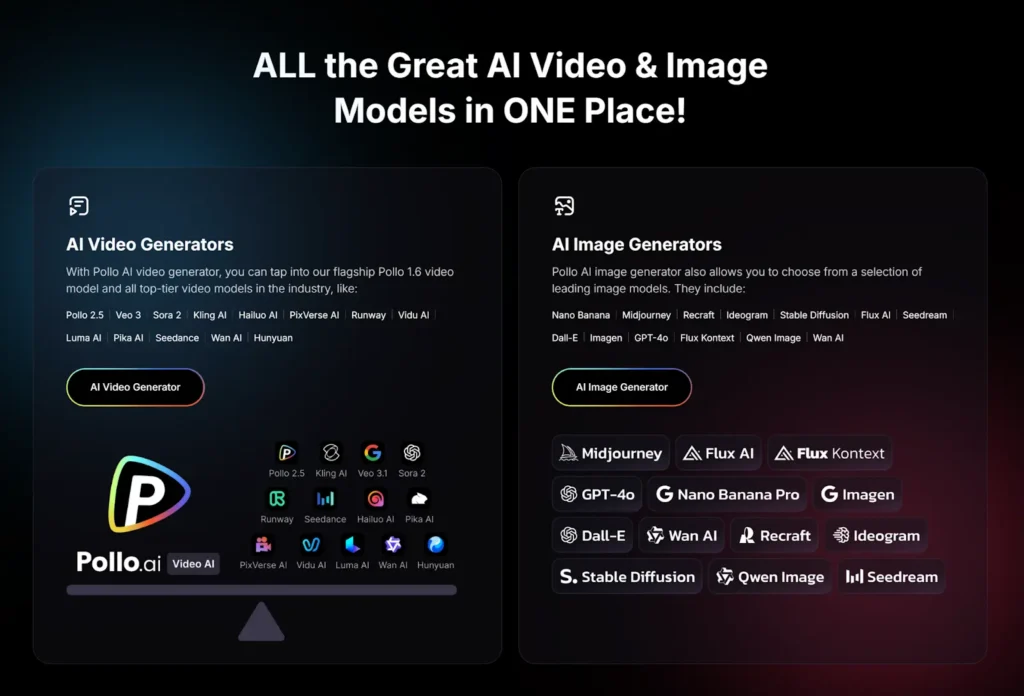
Choose Transparent Platforms: Some AI tools are more forthcoming about their training data sources and practices. Pollo AI, for instance, functions as an all-in-one creative agency, providing access to various popular AI image to image generators through a single platform. This tool is available via both web and Pollo AI app, allowing creators to work with different AI engines while maintaining consistent ethical standards across their workflow. When selecting tools, research their policies and practices.
Disclose AI Usage Appropriately: Develop clear guidelines for when and how you’ll indicate AI-generated content. Consistency builds credibility.
Support Human Artists: Balance AI usage with investments in human creativity. Commission original work, purchase stock photography from artists, or collaborate with designers for important projects.
Review Outputs Critically: Don’t publish AI-generated content without careful review for accuracy, bias, and appropriateness.
Respect Likeness and Style: Avoid using AI to imitate specific living artists’ distinctive styles without permission, or to create unauthorized images of real people.
Stay Informed: The ethical landscape evolves as technology advances and social norms develop. Engage with ongoing discussions in creative communities.
The Bigger Picture
These ethical considerations ultimately reflect broader questions about technology, labor, creativity, and value. AI art challenges our assumptions about what makes something “authentic” or “creative.” It forces us to examine whether we value the process or the outcome, the human touch or the final result.
There’s no universal right answer to these questions. A photojournalist faces different ethical standards than a fantasy game developer. A solo entrepreneur has different constraints than a major corporation. Context matters enormously.
What remains constant is the need for intentionality. Ethical AI art usage requires thinking beyond convenience to consider impacts on artists, audiences, and creative culture. It means making conscious choices rather than defaulting to whatever’s easiest or cheapest.
Moving Forward Responsibly
The AI art genie won’t return to the bottle. These tools will only become more powerful and accessible. The question isn’t whether to use them, but how to use them in ways that align with your values and responsibilities.
Start by developing your own ethical framework. What principles matter most to you? Where do you draw lines? How will you balance competing concerns? Document these decisions so your practices remain consistent.
Engage with your creative community. Listen to artists’ perspectives, particularly those most affected by AI disruption. Their insights can inform more thoughtful, empathetic approaches.
Remember that ethics isn’t about perfection—it’s about continuous improvement and good-faith effort. You’ll make mistakes, norms will shift, and new challenges will emerge. What matters is approaching AI art creation with awareness, responsibility, and respect for the broader creative ecosystem that makes all of this possible.
The future of creative work will inevitably involve AI tools. By addressing ethical concerns thoughtfully now, content creators can help shape that future in ways that benefit everyone rather than just optimizing for efficiency and profit.